

Why the Louvre Museum Is One of the World’s Most Amazing Attractions
The Louvre Museum is more than a museum. It is a breathtaking symbol of Paris, a powerful monument of French history, and one of the most extraordinary cultural destinations in the world. For many visitors, a Louvre Museum visit is one of the most memorable highlights of a trip to Paris. Inside this legendary palace, art, power, mystery, beauty, and dramatic stories come together in a way that few places on earth can offer.
The Louvre Museum is famous for the Mona Lisa, the Venus de Milo, the Winged Victory of Samothrace, royal apartments, Egyptian treasures, Renaissance masterpieces, and thousands of objects that tell the story of human creativity. However, the Louvre is also known for mysteries and dramatic events. The most famous is the 1911 theft of the Mona Lisa, a shocking crime that helped turn Leonardo da Vinci’s masterpiece into the most famous painting in the world. More recently, the Louvre Museum was again in the headlines after a daring robbery targeted historic French Crown Jewels from the Galerie d’Apollon.
This blog post takes you through the incredible history of the Louvre Museum, the story of the stolen Mona Lisa, the recent Crown Jewels robbery, and the reasons why this iconic Paris attraction remains a must-see experience for travelers from all over the world.
The Louvre Museum: From Medieval Fortress to Royal Palace
Before the Louvre Museum became the home of world-famous art, it was built as a fortress. Its earliest purpose was not beauty, culture, or tourism. It was protection. In the late 12th century, King Philippe Auguste ordered the construction of a defensive stronghold to protect Paris. At that time, Paris was much smaller than it is today, and the Louvre stood near the edge of the city.
Visitors who explore the museum today can still discover traces of this medieval past. In the lower levels of the Louvre, the remains of the original fortress walls remind guests that this elegant museum began as a military structure. This is one of the most fascinating parts of the Louvre Museum experience because it shows how deeply the building is connected to the history of France.
Over the centuries, the Louvre changed dramatically. What began as a fortress became a royal residence. French kings expanded, decorated, and transformed the building into a palace suitable for royal life. Each period added new architectural styles and new layers of meaning. The Louvre became not only a residence but also a statement of power, taste, and ambition.
Long before it became a public museum, the Louvre was already a place where art and authority met. Kings collected paintings, sculptures, decorative objects, and treasures that reflected their status. This royal tradition helped create the foundation of the museum’s future collection.
The Birth of the Louvre Museum
The Louvre Museum officially opened as a public museum during the French Revolution. This was a powerful moment in cultural history. Art that had once belonged to kings, churches, and aristocratic families became accessible to the public. The idea was revolutionary: great art should not be reserved only for the elite. It should be shared with the people.
This transformation changed the identity of the Louvre forever. The former royal palace became a museum for education, inspiration, and national pride. Over time, the collection grew enormously. Today, the Louvre Museum holds hundreds of thousands of works and objects, although only a portion can be displayed at one time.
For modern visitors, this means that a Louvre Museum visit is never just one experience. It can be many experiences. You can follow the story of ancient Egypt, admire Greek and Roman sculpture, explore French paintings, study Islamic art, walk through the decorative arts galleries, or focus on Renaissance masterpieces. The museum is so vast that even repeat visitors can always discover something new.
The Louvre Museum and Its Most Famous Masterpieces
The Louvre Museum is filled with masterpieces, but several works have become true global icons. These are the pieces that many travelers dream of seeing during their visit.
The Mona Lisa is, of course, the most famous. Painted by Leonardo da Vinci, this small portrait attracts huge crowds every day. Her mysterious smile, delicate expression, and subtle technique have fascinated viewers for centuries. Many people are surprised by the painting’s modest size, but its emotional power is undeniable.
The Venus de Milo is another unforgettable treasure. This ancient Greek sculpture is admired for its elegance, balance, and timeless beauty. Even without arms, the statue has a magnetic presence that continues to inspire artists and visitors.
The Winged Victory of Samothrace is one of the most dramatic sculptures in the museum. Positioned at the top of a grand staircase, the figure seems to move forward with unstoppable energy. The sculpture captures motion, victory, and grace in a breathtaking way.
The Louvre Museum also contains monumental paintings such as The Wedding Feast at Cana, Liberty Leading the People, The Coronation of Napoleon, and many more. Each gallery offers a different atmosphere, from intimate rooms to vast ceremonial spaces.
The Mona Lisa: The Painting That Became a Legend
The Mona Lisa is the superstar of the Louvre Museum. Many visitors enter the museum with one goal: to see her. But the painting’s fame is not only because of Leonardo da Vinci’s genius. It is also connected to one of the most shocking art thefts in history.
The Mona Lisa was painted in the early 16th century and eventually entered the French royal collection. Over time, it became part of the Louvre Museum’s collection. However, before the 20th century, it was not always the global celebrity it is today. It was admired, certainly, but its modern fame exploded after it disappeared from the Louvre.
On August 21, 1911, the Mona Lisa was stolen. The thief was Vincenzo Peruggia, an Italian man who had worked at the Louvre. He entered the museum wearing a worker’s smock, removed the painting, and walked out with it hidden. The crime shocked France and the entire art world.
At first, nobody knew where the painting had gone. The empty space on the wall became famous. Visitors came to the Louvre simply to look at the place where the Mona Lisa had once hung. Newspapers followed every development. Rumors spread quickly. Some people suspected famous artists and writers. Pablo Picasso and Guillaume Apollinaire were even questioned during the investigation, although they were not responsible.
For more than two years, the Mona Lisa was missing. Vincenzo Peruggia kept the painting hidden in his apartment. He later tried to sell it in Italy, claiming he believed the painting should return to its Italian homeland. In 1913, he was caught in Florence, and the Mona Lisa was recovered. The painting returned to the Louvre in 1914.
Ironically, the theft made the Mona Lisa more famous than ever. What had been a masterpiece became a worldwide legend. The story of the stolen Mona Lisa added drama, mystery, and emotional fascination to the painting. Today, when visitors stand before her, they are not only looking at Leonardo’s genius. They are also looking at a painting that survived one of the most famous art crimes in history.
The Mona Lisa is the superstar of the Louvre Museum. Many visitors enter the museum with one goal: to see her. But the painting’s fame is not only because of Leonardo da Vinci’s genius. It is also connected to one of the most shocking art thefts in history.
Why the Mona Lisa Still Fascinates Visitors
The Mona Lisa continues to attract millions of people because it offers something rare. It feels personal and mysterious at the same time. Her smile seems to change depending on where you stand. Her eyes appear calm, intelligent, and slightly unreachable. Leonardo’s technique creates a soft transition between light and shadow, giving the face a lifelike quality.
But the painting is also powerful because of its story. The Mona Lisa has survived centuries of political change, royal ownership, museum crowds, theft, fame, and modern security challenges. She is not only a portrait. She is a cultural symbol.
For visitors, seeing the Mona Lisa at the Louvre Museum is often an emotional moment. Even if the gallery is crowded, there is something special about standing in front of the original painting. It connects you directly with Leonardo da Vinci, Renaissance art, French history, and the global story of art appreciation.
The Galerie d’Apollon: A Jewel Inside the Louvre Museum
To understand the recent Louvre robbery, it is important to know the Galerie d’Apollon. This magnificent gallery is one of the most beautiful spaces inside the Louvre Museum. With its golden decorations, painted ceiling, royal atmosphere, and historic treasures, it feels like a palace within a palace.
The Galerie d’Apollon is closely connected with French royal history. It displays precious objects, including items linked to the French Crown Jewels. These jewels are not only valuable because of diamonds, emeralds, sapphires, and gold. They are valuable because they represent royal power, imperial history, craftsmanship, and national heritage.
For many visitors, the Galerie d’Apollon is one of the hidden highlights of the Louvre Museum. While the Mona Lisa receives the biggest crowds, this gallery offers a different type of wonder. It is elegant, luxurious, and deeply historical. The beauty of the room itself is almost as impressive as the objects displayed inside it.
The Recent Louvre Robbery: What Happened?
The recent robbery at the Louvre Museum shocked France and the international art world. The heist took place on October 19, 2025, in the Galerie d’Apollon. Although many people still search for it as the “Louvre robbery this year,” the robbery itself happened in 2025, while the investigation continued into 2026 with new developments.
According to reports, thieves targeted historic jewelry from the French Crown Jewels collection. The robbery was bold, fast, and carefully planned. The criminals reportedly used equipment to access the building and entered through a window near the Galerie d’Apollon. Once inside, they broke into display cases and removed valuable royal and imperial jewels.
The robbery happened quickly, in only a few minutes. That speed made the crime even more shocking. The Louvre Museum is one of the most famous and carefully watched museums in the world, yet the thieves managed to carry out a dramatic daylight heist and escape.
The museum was closed after the robbery while investigators examined the scene. The theft raised serious questions about museum security, historic building challenges, visitor pressure, and the protection of priceless cultural treasures.
What Was Stolen from the Louvre Museum?
The stolen objects were not ordinary jewels. They were historic pieces connected to French queens and empresses. The stolen items included parts of sapphire and emerald jewelry sets, as well as important jewels connected to Empress Eugénie.
Among the stolen objects were pieces from the sapphire set linked to Queen Marie-Amélie and Queen Hortense. These included a tiara, necklace, and earring. The thieves also stole emerald jewelry from the set of Empress Marie-Louise, including a necklace and earrings. Other stolen pieces included a reliquary brooch, a large corsage bow brooch, and a tiara connected to Empress Eugénie.
One famous object, the Crown of Empress Eugénie, was reportedly dropped during the escape and later recovered damaged. Even when an object is recovered, the damage can still represent a serious cultural loss. These jewels are not only precious materials. They are works of craftsmanship and historical memory.
The financial value of the stolen objects was estimated in the tens of millions of euros, but their true heritage value is much harder to measure. A diamond can be priced. A historic royal jewel connected to the identity of France cannot be replaced so easily.
Why the Louvre Robbery Shocked the World
The robbery shocked people for several reasons. First, it happened at the Louvre Museum, one of the most famous museums on earth. Second, it targeted the French Crown Jewels, objects with enormous symbolic meaning. Third, it was carried out in a bold and rapid way, almost like a scene from a movie.
For France, the robbery was more than a theft. It was an attack on national heritage. Museums protect objects that belong not only to one institution but to the memory of a country and, in many cases, to the shared history of humanity. When such objects disappear, the loss is emotional as well as financial.
The robbery also reminded the world that cultural treasures remain vulnerable. Museums must balance public access with security. Visitors want to see original masterpieces and historic objects up close. At the same time, museums must protect them from theft, vandalism, accidents, and environmental damage.
The Louvre Museum faces an especially difficult challenge because it welcomes millions of visitors each year. Managing crowds, protecting artworks, preserving an old palace, and maintaining a smooth visitor experience is an enormous task.
The Louvre Museum, Security, and the Challenge of Popularity
The Louvre Museum is a dream destination, but its popularity creates pressure. Millions of visitors want to see the same famous masterpieces, especially the Mona Lisa. The building itself is historic and complex, with long corridors, many entrances, old architectural sections, and modern museum systems placed inside a former palace.
Security at a museum like the Louvre is not simple. It must protect paintings, sculptures, jewels, furniture, documents, and architectural spaces. It must also allow people to move through the museum safely and comfortably. Every security measure has to work within a building that was not originally designed as a modern museum.
The recent robbery renewed public discussion about how major museums can protect priceless objects. Should some treasures be displayed differently? Should security be more visible? Should the most valuable jewels be shown as originals, replicas, or rotating displays? These are difficult questions.
However, the robbery should not discourage visitors from experiencing the Louvre Museum. Instead, it reminds us how precious these collections are. Every visit is an opportunity to admire objects that have survived wars, revolutions, thefts, restorations, and centuries of change.
Why You Should Visit the Louvre Museum in Paris
Despite the dramatic stories, the Louvre Museum remains one of the most rewarding places to visit in Paris. It is not only a museum for art experts. It is a place for everyone: families, couples, first-time visitors, history lovers, students, photographers, and travelers who simply want to experience something unforgettable.
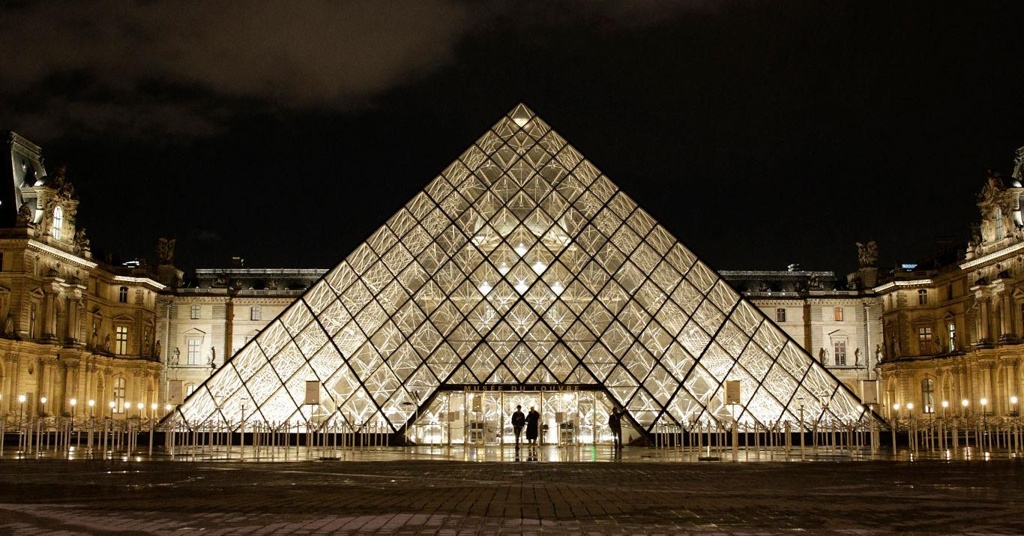
A visit to the Louvre Museum allows you to walk through time. In one morning, you can move from ancient Egypt to classical Greece, from the Italian Renaissance to French royal history, from medieval foundations to the glass Pyramid in the courtyard. Few places offer such a rich journey in a single location.
The Louvre is also located in one of the most beautiful parts of Paris. Before or after your visit, you can walk through the Cour Napoléon, admire the glass Pyramid, continue toward the Tuileries Garden, or stroll along the Seine. The entire area feels elegant, historic, and inspiring.
Tips for an Unforgettable Louvre Museum Visit
Because the Louvre Museum is large and popular, planning is very important. A spontaneous visit can still be enjoyable, but a well-planned visit is usually much better.
First, choose your priorities. Do you want to see the Mona Lisa, the Venus de Milo, and the Winged Victory of Samothrace? Do you want to focus on Egyptian antiquities? Are you interested in French paintings, royal apartments, or decorative arts? The Louvre is too large to see properly in one visit, so it is wise to select a route.
Second, consider visiting with a guide. A guided Louvre Museum tour can make the experience much richer. Instead of feeling lost in a huge building, you can understand the stories behind the masterpieces. A knowledgeable guide can explain the history, symbolism, artists, scandals, and secrets that make the museum come alive.
Third, wear comfortable shoes. The Louvre Museum requires a lot of walking. Even a short visit can involve many stairs, long corridors, and large galleries.
Fourth, book in advance when possible. The Louvre is one of the most popular attractions in Paris, and entrance times can sell out during busy periods. Advance planning helps you avoid stress and enjoy your visit more.
Fifth, do not rush only to the Mona Lisa. She is important, but the Louvre Museum has many other treasures. Some of the most magical moments happen in quieter galleries where you can slow down and admire art without the biggest crowds.
The Louvre Museum as a Symbol of Paris
The Louvre Museum represents the spirit of Paris beautifully. It combines history and modernity, elegance and drama, royal tradition and public culture. The medieval fortress, Renaissance palace, revolutionary museum, and modern glass Pyramid all exist together in one extraordinary place.
This is why the Louvre is more than an attraction. It is a symbol. It tells the story of France, but it also tells the story of how art becomes part of human memory. The paintings, sculptures, jewels, and objects inside the Louvre have crossed centuries to reach us. They carry the hands, dreams, ambitions, and beliefs of the people who made them.
The stories of theft, including the Mona Lisa in 1911 and the recent Crown Jewels robbery, add another layer to the Louvre’s legend. They show that art is not passive. It inspires passion, obsession, protection, greed, pride, and wonder. The Louvre Museum is a place where beauty and history are alive.
Final Thoughts: Discover the Louvre Museum and Its Powerful Stories
The Louvre Museum is one of the most amazing places to visit in Paris. Its history begins with a medieval fortress, continues through centuries of royal power, and becomes a public museum filled with some of the greatest treasures ever created. It is home to the Mona Lisa, the Venus de Milo, the Winged Victory of Samothrace, and countless masterpieces that continue to inspire the world.
The story of the stolen Mona Lisa remains one of the most fascinating art mysteries of all time. The recent Crown Jewels robbery shows that the Louvre is still at the center of dramatic global attention. These stories do not reduce the museum’s greatness. They make it even more compelling.
A Louvre Museum visit is not only about seeing famous artworks. It is about entering a place where history, beauty, mystery, and human creativity meet. Whether you are visiting Paris for the first time or returning to the city again, the Louvre Museum offers an unforgettable experience that stays with you long after you leave.
If you want to discover the highlights of the Louvre Museum in a deeper, easier, and more meaningful way, a guided visit is one of the best choices. With expert explanations, carefully selected masterpieces, and fascinating stories, your Louvre Museum experience can become one of the most powerful memories of your Paris trip.