

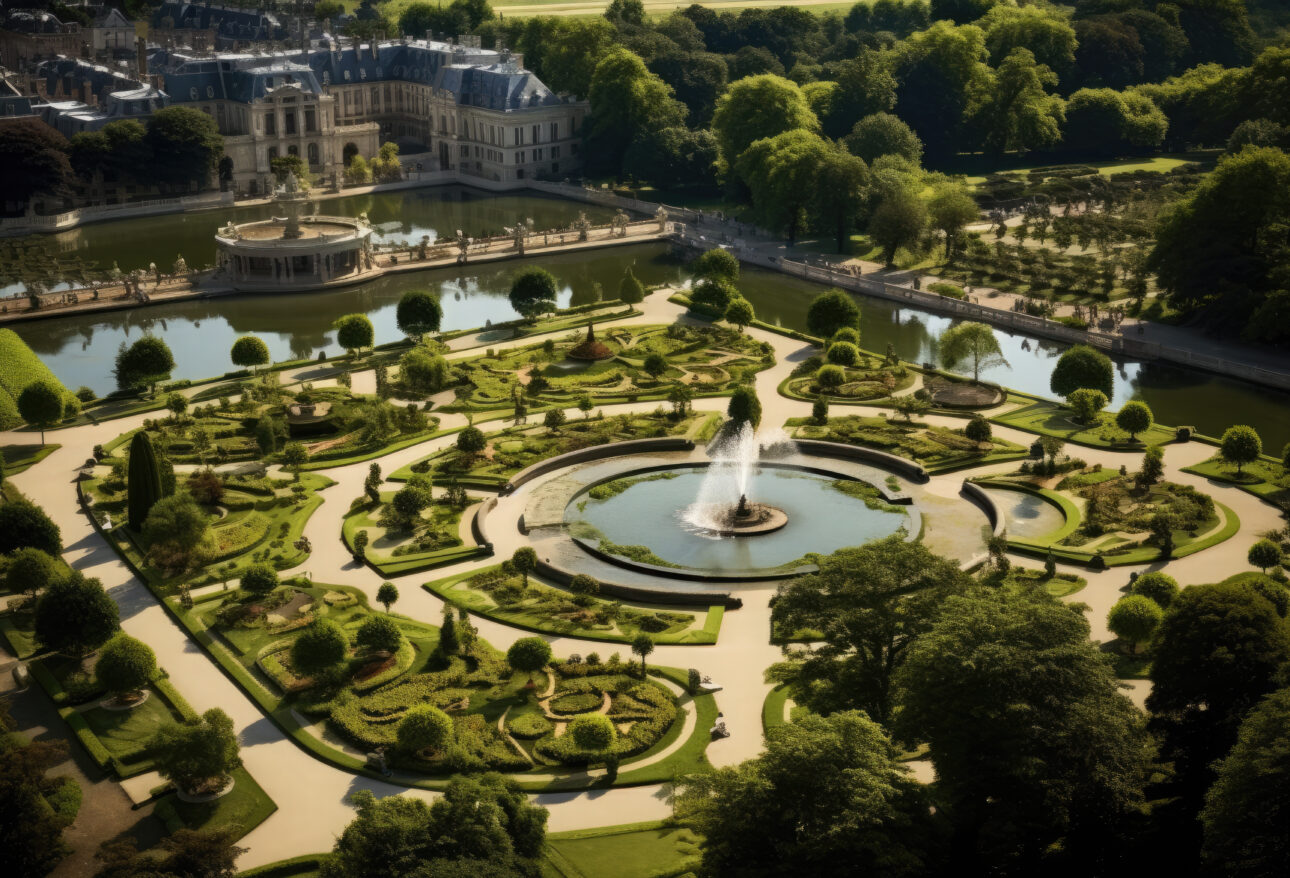
Parks in paris france
Paris is famous for its cafés, its museums, and its impossibly romantic bridges over the Seine – but ask any local how they really unwind, and you’ll hear a different answer: the parks. Beneath the city’s grand boulevards and Haussmannian rooftops lies a sprawling network of green spaces that range from manicured royal gardens to wild, forested woodlands twice the size of Central Park. Exploring the parks in Paris, France isn’t a side activity for your trip; for many visitors, it becomes the highlight.
Whether you’re picnicking on a blanket in the shadow of the Eiffel Tower, rowing a wooden boat across a hidden lake, or wandering beneath century-old chestnut trees while pigeons scatter around marble statues, the parks in Paris, France offer something no museum ever could: a slow, sensory, unhurried version of the city. This guide walks you through fifteen of the most spectacular parks and gardens Paris has to offer, along with practical tips to help you plan the perfect green getaway.
Why the Parks in Paris, France Deserve a Spot on Your Itinerary
Parisians take their green spaces seriously. The city counts more than 500 parks, gardens, and squares within its limits, and green space has been woven into the urban plan since the mid-1800s, when Napoleon III and his prefect, Baron Haussmann, redesigned the city with wide boulevards and public gardens meant to give every Parisian access to fresh air and greenery. That legacy is still visible today. Locals use these spaces the way New Yorkers use their stoops or Londoners use their pubs: as a communal living room. You’ll see office workers eating lunch on the grass, students sprawled out with paperbacks, toddlers chasing pigeons, and elderly couples playing pétanque under plane trees.
For travelers, the parks in Paris, France also offer a welcome contrast to the crowds at the Louvre or Notre-Dame. They’re free (or nearly free), they’re beautiful in every season, and they reveal a side of the city that’s slower, greener, and often more memorable than the postcard sights.
1. Bois de Boulogne – The Wild West of Paris
On the western edge of the city, the Bois de Boulogne sprawls across roughly 846 hectares, making it nearly twice the size of Central Park and one of the largest urban parks in Europe. Once a royal hunting ground, it was transformed in the 19th century into an English-style landscape park complete with lakes, waterfalls, and winding carriage paths. Rent a rowboat on the Lac Inférieur, cycle along miles of shaded paths, or visit the Jardin d’Acclimatation, a charming amusement park tucked inside the woods that’s been delighting children since 1860. The Fondation Louis Vuitton, a striking glass-sailed art museum designed by Frank Gehry, also sits within its borders, making the Bois de Boulogne one of the rare parks in Paris, France where nature and world-class architecture share the same address.
2. Bois de Vincennes – Paris’s Green Giant
If Boulogne is the wild west, the Bois de Vincennes is the green giant of the east. At roughly 995 hectares, it’s actually the largest public park in Paris, encompassing a medieval castle (the Château de Vincennes), a zoo, a Buddhist temple, botanical gardens, and four lakes perfect for a lazy afternoon of rowing. Families flock here on weekends for picnics, cycling, and paddle-boating, while history lovers explore the imposing keep of the château, one of the tallest medieval fortified structures in Europe. Because it sits slightly off the main tourist trail, Vincennes offers a more local, less crowded experience among the parks in Paris, France – a place where you’ll rub shoulders with Parisians rather than fellow tourists.
3. Jardin du Luxembourg – The Elegant Heart of the Left Bank
No list of the parks in Paris, France would be complete without the Jardin du Luxembourg. Created in the 1600s for Marie de’ Medici, who wanted gardens reminiscent of her native Florence, this 23-hectare park in the 6th arrondissement remains one of the most beloved green spaces in the city. Formal French parterres give way to shaded chestnut groves, while the octagonal Grand Bassin pond is a favorite spot for children sailing miniature wooden sailboats, a tradition that dates back generations. Look out for the Medici Fountain, a romantic, ivy-draped grotto, and the dozens of statues of French queens and notable women that line the garden’s paths. Bring a book, grab one of the iconic green metal chairs, and settle in for a quintessentially Parisian afternoon.
4. Jardin des Tuileries – Where Royalty Once Strolled
Stretching between the Louvre and the Place de la Concorde, the Jardin des Tuileries is the oldest and one of the most historically significant public gardens in the city. Laid out in 1564 for Catherine de’ Medici and later redesigned by André Le Nôtre – the landscape architect behind the gardens of Versailles – the Tuileries is the embodiment of classic French formal garden design: symmetrical paths, manicured lawns, and elegant fountains framed by ancient statuary. Modern additions like a Ferris wheel (seasonal) and contemporary sculptures by artists such as Rodin and Giacometti give it a lively, contemporary edge. As one of the most central parks in Paris, France, it’s an easy, unmissable stop between major landmarks.
5. Parc des Buttes-Chaumont – Paris’s Best-Kept Secret
Tucked into the hilly 19th arrondissement, Parc des Buttes-Chaumont is often cited by locals as their favorite park in the city – and once you visit, it’s easy to see why. Opened in 1867 on the site of a former gypsum quarry, the park was designed by Adolphe Alphand with dramatic cliffs, a 1.5-hectare artificial lake, and a rocky island crowned by the Temple de la Sibylle, a miniature Roman-style temple offering sweeping views across Paris. A suspension bridge designed with input from Gustave Eiffel connects the island to the mainland, and a man-made grotto features an artificial waterfall and eight-meter faux stalactites. With steep hills, waterfalls, and winding paths, it feels less like a manicured Parisian garden and more like a romantic English landscape – making it one of the most unexpectedly dramatic parks in Paris, France.
6. Parc Monceau – A Pocket of Elegant Fantasy
Commissioned in the 1770s by the Duke of Chartres, Parc Monceau was originally designed as a fantastical “garden of illusions,” complete with a pyramid, a Corinthian colonnade, a Renaissance arch, and an artificial river. Many of these follies still stand today, giving the park an air of theatrical whimsy that’s rare among the more formal parks in Paris, France. Located in the upscale 8th arrondissement, Monceau is surrounded by grand 19th-century mansions and remains a favorite among well-heeled Parisian families, who bring their children to play near the elegant wrought-iron gates and rose gardens.
7. Champ de Mars – Picnicking Beneath the Eiffel Tower
Few views in the world rival a picnic on the Champ de Mars with the Eiffel Tower rising directly overhead. Originally a parade ground for the adjacent École Militaire, this expansive lawn has hosted world’s fairs, royal celebrations, and now serves as one of the most popular gathering spots in the city, especially at sunset when the tower begins to sparkle on the hour. While it’s undeniably touristy, there’s a reason it remains one of the most-visited parks in Paris, France — few settings anywhere combine open green space with such an iconic backdrop.
8. Jardin des Plantes – Paris’s Botanical Treasure
Founded in 1626 as a royal medicinal herb garden, the Jardin des Plantes has grown into a 28-hectare botanical wonderland in the 5th arrondissement. It’s home to France’s Natural History Museum, a beautiful Art Deco menagerie (one of the oldest zoos in the world), tropical greenhouses, an alpine garden, and thousands of labeled plant species from around the globe. It’s an especially rewarding stop for families and anyone with a curiosity for natural history, offering a more scholarly, botanical counterpart to the city’s other ornamental gardens.
9. Parc de la Villette – Paris’s Largest Urban Park
At 55.5 hectares, Parc de la Villette is the largest urban (non-woodland) park within the city itself. Opened in 1987 and designed by architect Bernard Tschumi, it represents a radical departure from the classical French garden – all deconstructivist geometry, bright red architectural “follies,” and open lawns designed for public life rather than formal strolling. The park is also a cultural hub, home to the Cité des Sciences et de l’Industrie (Europe’s largest science museum), the striking Philharmonie de Paris concert hall, and an outdoor cinema festival every summer where hundreds gather on the grass with picnics and blankets to watch films under the stars. For travelers seeking a more modern, youthful take on the parks in Paris, France, La Villette delivers in spades.
10. La Coulée Verte René-Dumont (Promenade Plantée) – The Original High Line
Decades before New York built the High Line, Paris quietly opened the Coulée Verte René-Dumont, also known as the Promenade Plantée, in 1993. This 4.5-kilometer elevated walkway runs along a disused 19th-century railway viaduct in the 12th arrondissement, weaving past rose gardens, bamboo groves, and quiet residential balconies before descending into the Reuilly gardens. Beneath the viaduct, the arches now house the Viaduc des Arts, a stretch of artisan boutiques and galleries. It’s one of the most peaceful, least crowded parks in Paris, France – a favorite among locals looking to escape the tourist crowds entirely.
11. Parc Montsouris – The English Garden of the South
In the 14th arrondissement, Parc Montsouris offers rolling lawns, a picturesque lake, and winding paths in the English landscape style, a deliberate contrast to the rigid symmetry of gardens like the Tuileries. Opened in 1878, it was once home to a private astronomical observatory and today remains a favorite of students from the nearby Cité Internationale Universitaire. It’s a wonderful spot for jogging, cycling, or simply lying in the grass with a view of the lake’s resident ducks and swans.
12. Parc André Citroën – Modern and Full of Surprises
Built in the 1990s on the site of a former Citroën automobile factory along the Seine, Parc André Citroën is one of the most architecturally daring parks in Paris, France. Its formal gardens, themed greenhouses, and open central lawn are punctuated by a tethered hot-air balloon that lifts visitors nearly 150 meters above the city for panoramic views — no flight required. Water features, waterfalls, and a “wild garden” section give the park a distinctly modern, sculptural feel that contrasts sharply with the city’s older, more classical gardens.
13. Parc Georges-Brassens – A Quiet Neighborhood Gem
Built on the former site of the Vaugirard slaughterhouses in the 15th arrondissement, Parc Georges-Brassens is a favorite among local families and one of Paris’s most underrated green spaces. Highlights include a small vineyard that produces a modest annual harvest, a beehive apiary, a climbing wall built into an old bell tower, and a popular weekend book market held under the old market halls. It’s a lovely example of how the city has repurposed its industrial past into some of its most cherished parks.
14. Parc de Bercy – From Wine Warehouses to Rolling Lawns
Once the site of Paris’s wine warehouses, Parc de Bercy in the 12th arrondissement now spans several distinct garden “rooms,” including romantic gardens, orchards, vineyards, and open meadows, all connected by canals and footbridges. Cobblestone streets and old rail tracks from its industrial past remain embedded in the walkways as a nod to the neighborhood’s history. Adjacent to the AccorHotels Arena and the Cinémathèque française, it’s an easy pairing with an evening concert or film.
15. Jardin du Palais-Royal – A Hidden Courtyard Oasis
Just steps from the Louvre, the Jardin du Palais-Royal is a serene, arcaded courtyard garden that feels like a secret in the middle of the city. Once the private garden of Cardinal Richelieu, it’s now flanked by elegant 18th-century arcades housing boutiques and cafés, with rows of manicured lime trees and a central fountain. The black-and-white striped columns of artist Daniel Buren’s installation, “Les Deux Plateaux,” add a playful contemporary touch. It’s proof that even in the busiest tourist districts, the parks in Paris, France can offer a genuinely tranquil escape.
Practical Tips for Visiting the Parks in Paris, France
Best time to visit: Late April through June and September through October offer the most pleasant weather and the lushest greenery, without the peak-summer crowds of July and August. That said, Parisian parks are lovely in every season – the Tuileries and Luxembourg Gardens are especially striking dusted with a light winter frost.
Getting around: Most of the central parks in Paris, France (Tuileries, Luxembourg, Palais-Royal, Champ de Mars) are within walking distance of major metro stations and easy to string together into a single walking day. The larger woodlands, Boulogne and Vincennes, are best reached by metro or RER followed by a bike or Vélib’ bike-share rental, since they’re too large to fully explore on foot in a single visit.
What to bring: A blanket or portable seat cushion, since grass access varies by park (some formal gardens like the Tuileries restrict lawn access to designated areas). A baguette, some cheese, and a bottle of wine from a nearby épicerie make for an easy, budget-friendly Parisian picnic.
Opening hours: Most municipal parks open around 7:30–8 a.m. and close at dusk, with exact times posted at each entrance and adjusted seasonally. The Bois de Boulogne and Bois de Vincennes, being open woodlands, have more flexible access.
Etiquette: Many formal gardens, including parts of the Tuileries and Palais-Royal, prohibit walking on the grass – look for small signs or roped-off areas. Cycling is often restricted to designated paths, and quiet is generally expected in more contemplative corners like the Jardin des Plantes’ alpine garden.
Frequently Asked Questions About the Parks in Paris, France
Are the parks in Paris, France free to visit? Almost all of them, yes. The vast majority of public parks and gardens – including the Tuileries, Luxembourg Gardens, Buttes-Chaumont, and both the Bois de Boulogne and Bois de Vincennes – are completely free and open to the public. A handful of attractions inside the parks, such as the Jardin d’Acclimatation, the hot-air balloon in Parc André Citroën, or the greenhouses at the Jardin des Plantes, charge a small separate entry fee.
Which park is best for a first-time visitor with limited time? If you only have time for one, the Jardin du Luxembourg is hard to beat. It’s centrally located, walkable from Saint-Germain-des-Prés and the Latin Quarter, and captures the classic Parisian park experience in a single visit: formal gardens, a lake with toy sailboats, shaded chestnut groves, and plenty of those iconic green chairs to relax in.
Which parks are best for families with young children? The Jardin du Luxembourg, Jardin des Plantes, and Bois de Vincennes are all excellent choices. Between the puppet theater and pony rides in the Luxembourg Gardens, the zoo and greenhouses at the Jardin des Plantes, and the boating lakes and open lawns of Vincennes, children rarely run out of things to do.
Can you have a picnic in the parks in Paris, France? Yes, picnicking is a beloved Parisian tradition, especially in more relaxed spaces like the Champ de Mars, Parc de la Villette, Parc Monceau, and Parc des Buttes-Chaumont. Just be mindful that some of the more formal gardens, including sections of the Tuileries and Palais-Royal, restrict sitting or walking directly on the grass, so look for open lawn areas or bring a foldable seat.
Are the parks safe to visit in the evening? The central, well-lit parks like the Champ de Mars and Tuileries are generally safe and pleasant in the early evening, particularly around sunset. That said, most municipal parks close at dusk and are gated overnight, so plan to wrap up your visit before closing time, which is posted at each entrance.
Final Thoughts on the Parks in Paris, France
It’s easy to fall into the trap of treating Paris as a checklist of monuments, but the city’s true rhythm is best felt in its green spaces. Each of the parks in Paris, France carries its own personality: the aristocratic elegance of the Tuileries, the wild romance of the Buttes-Chaumont, the sprawling freedom of the Bois de Vincennes, the quiet intimacy of the Palais-Royal. Together, they tell the story of a city that has always understood that a great capital needs not just grand buildings, but grand gardens too.
So on your next trip, resist the urge to rush from museum to monument. Pack a picnic, find a bench beneath a chestnut tree, and let one of these magnificent parks in Paris, France remind you why the French have perfected the art of simply enjoying a beautiful afternoon outdoors.