

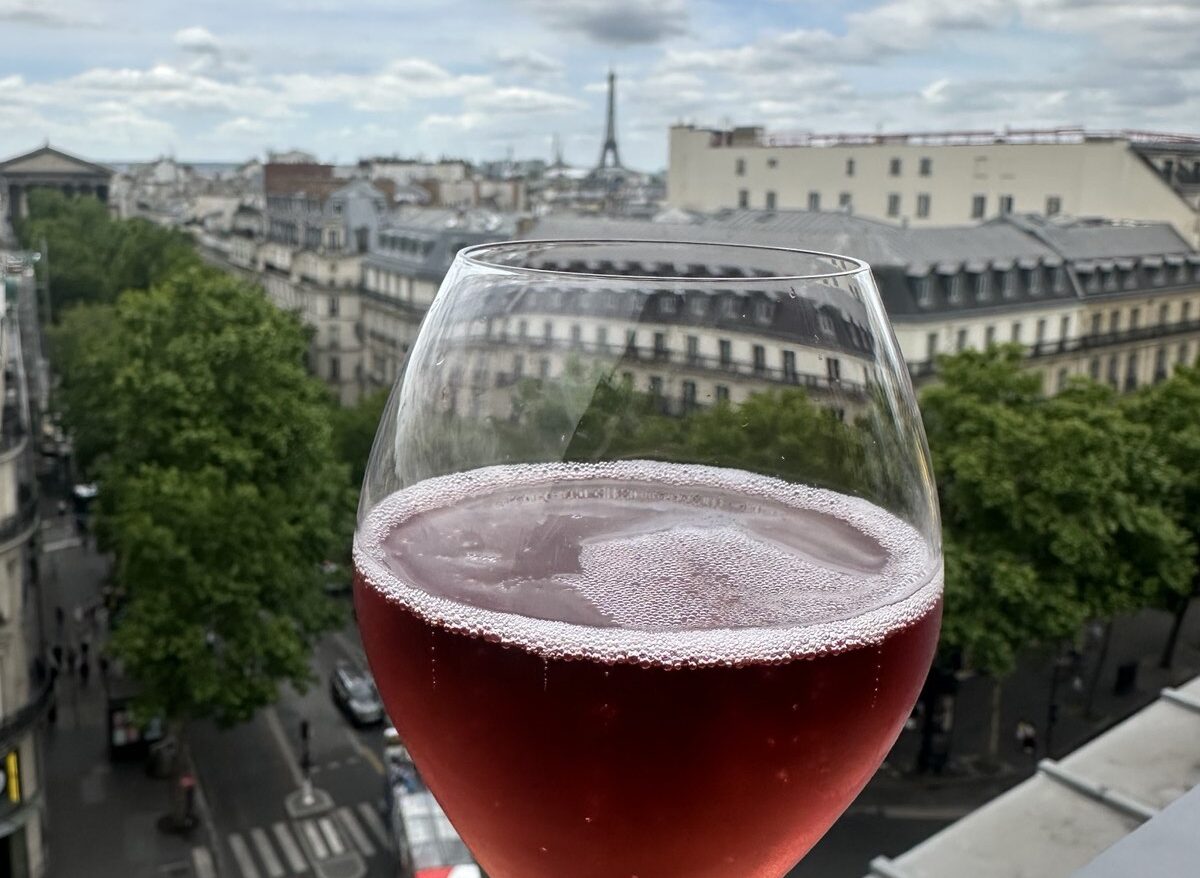
There is a reason France remains the most visited country on Earth, and it is not just the Eiffel Tower silhouette on a thousand postcards. Holidays in France offer something rare: a single country where you can sip espresso beneath Haussmann balconies in the morning, wander lavender fields by lunchtime (if you plan your route well), and toast the sunset with a glass of regional wine before the day is done. Whether you are dreaming of your first trip to Paris, a romantic escape to Provence, or a family road trip along the Atlantic coast, holidays in France have a way of turning ordinary itineraries into lifelong memories.
This guide is built to help you plan real holidays in France – not just a checklist of famous names, but a practical, joyful roadmap covering the best time to visit, the festivals worth building a trip around, the regions that deserve a spot on your itinerary, and the small details (tickets, transport, timing) that make the difference between a stressful trip and a truly magical one.
Why Holidays in France Continue to Captivate Millions
France welcomes roughly 90 million international visitors every year, more than any other nation, and the appeal is not accidental. Few countries pack this much variety into one set of borders: snow-capped Alpine peaks in the east, sun-baked Mediterranean coastline in the south, dramatic Atlantic cliffs in the west, and in the middle of it all, Paris – a city that has inspired painters, writers, and dreamers for centuries.
What makes holidays in France so satisfying is the rhythm of daily life itself. Meals are unhurried. Markets are a form of entertainment. Museums double as architectural marvels. And the transport network, especially the high-speed TGV trains, means you can experience three or four completely different “versions” of France within a single two-week trip without ever setting foot on a plane after you land.
For first-time visitors, Paris is usually the natural starting point, and rightly so – it is home to the Louvre, the largest art museum on the planet; the Gothic towers of Notre-Dame; the opulent halls of the Palace of Versailles just outside the city; and the Champs-Élysées, arguably the most famous avenue in the world, stretching from the Arc de Triomphe toward the Place de la Concorde. But holidays in France become truly unforgettable when you venture beyond the capital, and we will get to exactly where in a moment.
The Best Time for Holidays in France
Timing shapes everything about a trip, from the crowds you will encounter to the price of your hotel room. Here is how the French year breaks down.
Spring (March to May): Blooming and Budget-Friendly
Spring is one of the most underrated windows for holidays in France. Temperatures climb gently from a crisp 4–8°C in March to a pleasant 15–18°C by May, gardens across the country burst into color, and prices for flights and accommodation remain noticeably lower than the summer peak – at least until the Easter school break. This is a wonderful season for exploring the Loire Valley châteaux, wandering Parisian parks like the Luxembourg Gardens in bloom, or catching the buzz of the Cannes Film Festival in mid-May, when the French Riviera fills with red-carpet glamour.
Summer (June to August): Peak Energy, Peak Crowds
Summer is when most people picture their holidays in France: long golden evenings, café terraces spilling onto the sidewalks, and temperatures comfortably in the 20–25°C range (though heatwaves pushing past 30°C are increasingly common in July and August). This is peak season in every sense – flights and hotels cost the most, major attractions require advance booking, and many Parisians themselves leave the city in August for their own holidays, giving central Paris a quieter, almost dreamlike atmosphere even as tourist numbers swell. Summer is unbeatable for the French Riviera, for open-air music during the Fête de la Musique on June 21, and for the emotional spectacle of Bastille Day fireworks on July 14.
Autumn (September to November): The Insider’s Secret
If you ask seasoned travelers when to take holidays in France, many will whisper “September.” The weather remains warm and stable through much of the month, the summer crowds have thinned dramatically, and prices drop while the quality of the experience goes up. Autumn is also harvest season, meaning the wine regions of Bordeaux, Burgundy, and the Rhône Valley come alive with grape-picking festivals and the famous Beaujolais Nouveau release in mid-November. By late November, Christmas markets begin appearing in Strasbourg, Colmar, and other Alsatian towns, extending the season’s charm right into winter.
Winter (December to February): Markets, Skiing, and Quiet Elegance
Winter holidays in France split neatly into two experiences. In the mountains, the French Alps become one of Europe’s premier ski destinations, with resorts like Chamonix and Courchevel drawing visitors from around the world. In the cities, particularly Strasbourg and Paris, the season is defined by twinkling Christmas markets, ice-skating rinks, and beautifully illuminated streets. February also brings the exuberant Nice Carnival, one of the oldest and largest carnivals in the world, with elaborate parades and flower battles along the Riviera.
A Festival Calendar Worth Building Holidays in France Around
Part of the joy of planning holidays in France is timing your visit to coincide with one of the country’s spectacular festivals. Here are some of the standout dates to consider:
Cannes Film Festival (mid-May): Global film premieres and red-carpet glamour on the French Riviera.
Fête de la Musique (June 21): A nationwide, free celebration where musicians of every genre perform in the streets.
Tour de France (July): The world’s most famous cycling race, finishing on the Champs-Élysées in Paris.
Bastille Day (July 14): France’s national day, marked by military parades on the Champs-Élysées, fireworks at the Eiffel Tower, and public balls.
Corso de la Lavande (late July–early August): A joyful lavender festival with flower-covered floats in Digne-les-Bains, Provence.
Braderie de Lille (early September): Said to be the world’s largest flea market, transforming an entire city for a weekend.
Les Trois Glorieuses (mid-November): A historic wine auction and harvest festival in Beaune, Burgundy.
Christmas Markets (late November–December): Strasbourg, Colmar, and Sarlat-la-Canéda glow with festive stalls, mulled wine, and handmade crafts.
Nice Carnival (February): Elaborate parade floats and flower battles bring color to the winter Riviera.
Building your holidays in France around even one of these events can transform a good trip into an extraordinary one.
The Regions That Make Holidays in France Unforgettable
France’s regional diversity is arguably its greatest gift to travelers. Here are the destinations most worth including in your itinerary.
Paris: The Heart of Every First-Time Trip
For most travelers, holidays in France begin in Paris, and it earns every bit of its reputation. The Louvre houses the Mona Lisa and tens of thousands of other masterpieces across a palace so vast that a single visit only scratches the surface. Notre-Dame Cathedral, still undergoing its remarkable restoration journey, continues to draw admirers of Gothic architecture. Just outside the city, the Palace of Versailles offers a staggering glimpse into royal excess, with the Hall of Mirrors and manicured gardens stretching to the horizon. And the Champs-Élysées ties it all together – a grand boulevard running from the Arc de Triomphe, perfect for an evening stroll before or after a Seine River cruise, when the city’s bridges and monuments glow under floodlights.
Provence: Lavender, Light, and Slow Living
Provence is where holidays in France slow down. Rolling lavender fields near Valensole peak in bloom during late June and July, hilltop villages like Gordes and Roussillon look almost painted onto the landscape, and the light itself – the same light that captivated Cézanne and Van Gogh – has a golden quality that photographs simply cannot capture fully.
The French Riviera: Glamour Meets the Mediterranean
Stretching from Saint-Tropez to Menton, the French Riviera (Côte d’Azur) combines turquoise water, upscale beach clubs, and the kind of old-world glamour that made Nice, Cannes, and Monaco famous. It is an ideal region for travelers who want their holidays in France to include both relaxation and a touch of luxury.
The Loire Valley: A Fairytale of Châteaux
Home to more than 300 châteaux, the Loire Valley is where French royalty once retreated, and the region still feels like stepping into a storybook. Chambord and Chenonceau are the most iconic stops, easily reached on a day trip from Paris or a leisurely multi-day drive along the river.
Normandy: History and Dramatic Coastlines
Normandy pairs profound historical weight – the D-Day landing beaches – with the dramatic tidal island of Mont Saint-Michel and charming port towns like Honfleur. It is a deeply moving region for anyone whose holidays in France include a search for history alongside scenery.
Alsace: A Fairytale Meets Germanic Charm
Bordering Germany, Alsace blends French and Germanic influences into half-timbered villages, vineyard-covered hills, and, in winter, some of the most beloved Christmas markets in all of Europe, particularly in Strasbourg and Colmar.
Bordeaux: Wine Country at Its Finest
For travelers who want their holidays in France centered on world-class wine, Bordeaux is unmatched, with vineyard tours, tastings, and an elegant riverside city to explore between excursions.
Making the Most of Paris: Tickets, Timing, and Avoiding the Lines
Because so many holidays in France begin and end in Paris, it is worth spending a moment on the practical side of visiting its landmark sites. The Louvre, Versailles, and the Eiffel Tower are all subject to long queues, especially between May and September, and lines can stretch well over an hour during peak midday hours.
The simplest fix is to book skip-the-line tickets in advance, ideally choosing an early morning or early evening time slot when the crowds thin out and the light is at its most photogenic. A guided tour of the Louvre can also save you from wandering aimlessly through 380 rooms – a knowledgeable guide will take you straight to the highlights and add context that a self-guided visit often misses. Similarly, a sunset Seine River cruise is one of the most memorable (and efficient) ways to see Notre-Dame, the Musée d’Orsay, and the Eiffel Tower all in a single, relaxed hour on the water.
If your holidays in France include Versailles, plan for at least half a day, arrive as close to opening time as possible, and consider tickets that include access to the gardens’ musical fountain shows, held on select spring and summer weekends.
Practical Tips for Planning Holidays in France
Entry requirements: Most visitors from the UK, US, Canada, Australia, and other non-EU countries can currently enter France for short tourist stays without a visa, though rules around the EU’s Entry/Exit System and ETIAS authorization have been evolving, so it is worth checking the latest requirements a few months before departure.
Currency and costs: France uses the euro. Budget travelers can manage comfortably on €80-120 per day outside Paris, while a mid-range Paris trip with hotels, museum tickets, and restaurant meals often runs €150-250 per day per person.
Getting around: The SNCF rail network, anchored by high-speed TGV trains, makes it easy to combine holidays in France across multiple regions without a car – Paris to Lyon takes under two hours, and Paris to Marseille around three. Renting a car is worthwhile for rural regions like the Loire Valley, Provence’s countryside, or Normandy’s coastline.
Language: French is the official language everywhere, and while many people in tourist areas speak English, a few polite French phrases (“Bonjour,” “S’il vous plaît,” “Merci”) go a long way toward warmer service.
Best trip length: A week is enough to enjoy Paris plus one nearby region (such as the Loire Valley or Normandy), while ten days to two weeks allow for a more ambitious route combining Paris, Provence, and the Riviera.
What to pack: Layers are essential for holidays in France, since weather can shift noticeably between morning and evening even in summer. A light rain jacket earns its place in almost any season, comfortable walking shoes are non-negotiable given how much of Paris and the regions are best explored on foot, and one smart-casual outfit is worth packing for a nicer dinner or an evening at the theater. Travelers heading to the Alps in winter or Provence in high summer should pack accordingly, since temperature swings between regions can be dramatic even within the same week.
A Sample Itinerary for Seven-Day Holidays in France
For travelers short on time but eager to see the essentials, here is a rewarding one-week route:
Days 1-4: Paris. Explore the Louvre, Notre-Dame’s exterior and surrounding Île de la Cité, the Champs-Élysées and Arc de Triomphe, Montmartre and the Sacré-Cœur, and a half-day trip to Versailles. End one evening with a Seine River dinner cruise.
Days 5-6: Loire Valley. A two-hour train or drive from Paris brings you to Chambord and Chenonceau, with a night in the charming town of Amboise.
Day 7: Return to Paris for a final morning of shopping or museum time before departure.
This kind of structure – a base in Paris supplemented by an easy regional detour – is one of the most efficient ways to experience the range of holidays in France within a limited window.
Frequently Asked Questions About Holidays in France
What is the cheapest time to take holidays in France? January, February, and early March generally offer the lowest flight and hotel prices, alongside quieter attractions, though winter weather is cold and daylight hours are shorter.
How many days do you need for holidays in France? A week covers Paris comfortably with a short regional add-on; ten to fourteen days allow for a fuller mix of Paris, Provence, and the coast.
Is it better to book Paris attraction tickets in advance? Yes. Skip-the-line tickets for the Louvre, Versailles, and other major sites routinely sell out during peak season, and booking ahead saves significant waiting time.
What should first-time visitors prioritize? Paris is the natural starting point for most holidays in France, with the Louvre, Notre-Dame, Versailles, and the Champs-Élysées forming the core of a first visit.
Do I need to speak French to travel comfortably? No, but a few basic phrases are appreciated, especially outside major tourist areas.
Which region pairs best with Paris for a first trip? The Loire Valley and Normandy are the easiest add-ons, both reachable within two to three hours by train or car, making them ideal for travelers who want their holidays in France to include a castle-filled countryside or a dramatic coastline without sacrificing too much time in the capital.
Final Thoughts: Start Planning Your Holidays in France Today
Few destinations reward careful planning quite like France. The country’s blend of iconic cities, storybook regions, and a festival calendar that runs practically year-round means there is truly no wrong season to go – only a better one, depending on what kind of trip you are dreaming of. Whether you picture yourself gazing up at the Louvre’s glass pyramid, cycling past lavender fields in Provence, or watching fireworks burst over the Eiffel Tower on Bastille Day, holidays in France have a rare power to turn a simple getaway into a story you will tell for years.
The best next step is a practical one: lock in your dates, book your must-see attraction tickets early to avoid the lines, and let the rest of the trip unfold at France’s own unhurried, joyful pace. Your unforgettable holidays in France are only a booking away.