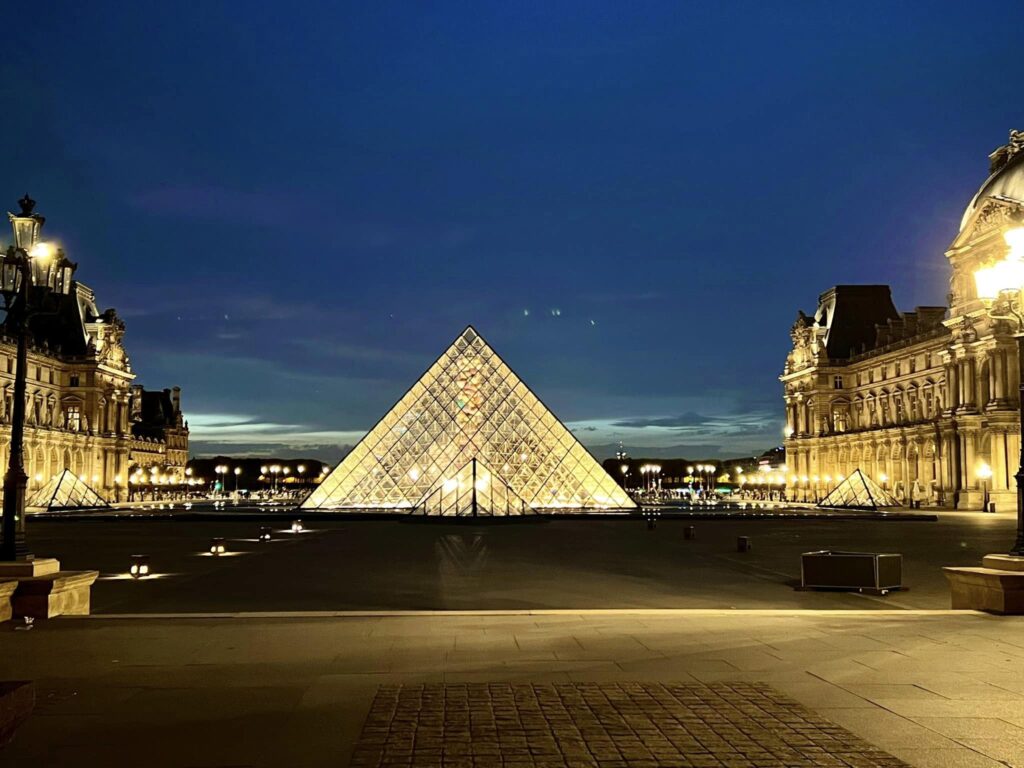
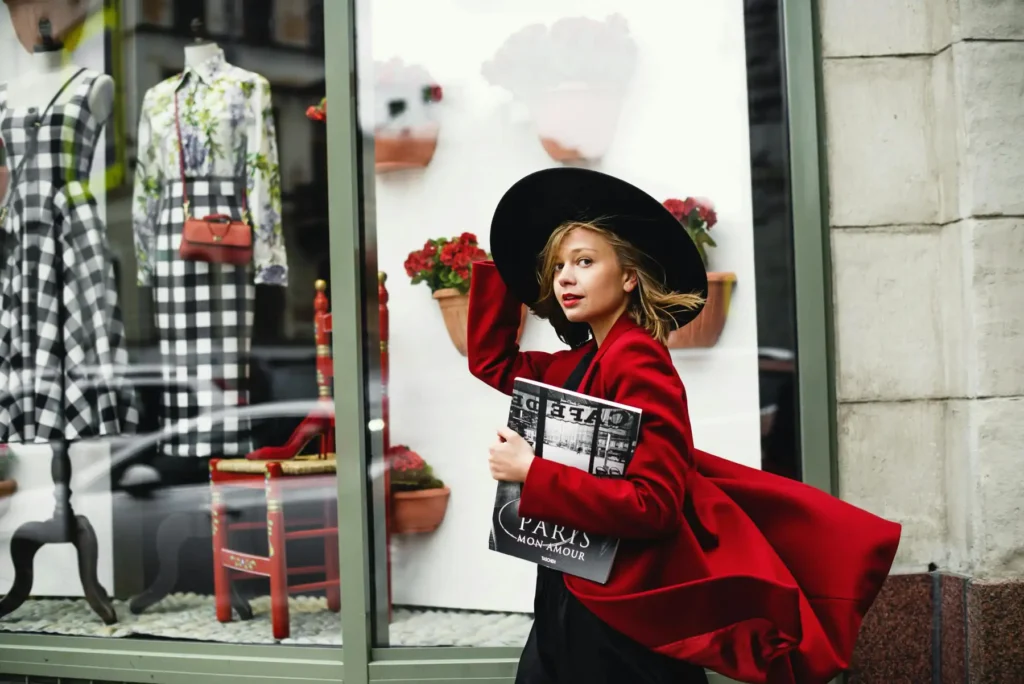
Paris is widely considered the undisputed fashion capital of the world. But have you ever wondered how a single city managed to dictate global style for over three centuries? It wasn’t an accident. From the golden halls of Versailles to the modern runways of the Louvre, French fashion is a blend of history, rebellion, and an obsession with le détail.
The Origins: From Sun Kings to Catwalks
The story of French fashion begins with King Louis XIV, the “Sun King.” He understood that style was a form of power. By mandating that the French aristocracy wear only locally produced luxury fabrics, he turned France into a textile powerhouse.
However, the modern concept of “Haute Couture” (high sewing) was actually pioneered in the mid-19th century by Charles Frederick Worth. Although he was English, he opened his house in Paris, being the first to treat clothing as art rather than just a garment. He invented the concept of the fashion show, using live models to display his creations to wealthy clients. This was the spark that ignited the global obsession with Parisian luxury.
The Pillars of French Style: What Makes it “Chic”?
What exactly is “French Girl Style”? It isn’t about wearing the most expensive clothes; it’s about a philosophy. The key characteristics include:
- Effortless Elegance (L’Effortless): The goal is to look like you just threw something on and happened to look perfect. It’s a balance between polished and relaxed.
- Quality over Quantity: A French wardrobe is built on timeless staples-a perfect trench coat, a crisp white shirt, and a well-fitted blazer-rather than fast-fashion trends.
- The Neutral Palette: Parisians famously stick to black, navy, beige, and white, allowing the silhouette and fabric quality to take center stage.
Legendary Designers Who Changed Everything
You cannot talk about French fashion without mentioning the icons who broke the rules:
- Coco Chanel: Perhaps the most influential woman in fashion history. She liberated women from corsets, introducing the “Little Black Dress” and the use of jersey fabric. She proved that comfort could be the ultimate luxury.
- Christian Dior: After the austerity of World War II, Dior introduced the “New Look” in 1947. With cinched waists and voluminous skirts, he brought femininity and glamour back to the streets of Paris.
- Yves Saint Laurent: A true rebel, YSL was the first to put women in tuxedos (Le Smoking). He democratized fashion by launching high-end “ready-to-wear” lines, making designer style accessible to a wider audience.
The Modern Revolution: From Luxury Houses to Digital Chic
While the history of French fashion is rooted in velvet and silk, the modern scene is all about “accessible luxury” and digital innovation. Brands like Sézane have completely redefined how Parisians shop, moving away from traditional seasons to “drops” of perfectly cut, vintage-inspired pieces. Then there is Jacquemus, the designer who took the world by storm with his tiny bags and sun-drenched aesthetic, proving that French fashion can be playful, youthful, and social-media-savvy while maintaining its high-fashion DNA.
Shopping Like a Local: Concept Stores and Hidden Gems
If you want to experience the modern French fashion pulse, skip the tourist traps and head to the Marais. Here, you’ll find concept stores like Merci, which feels more like an art gallery than a boutique. And for the environmentally conscious Parisian, the “Second-Hand” revolution is huge. Platforms like Vinted are a national obsession in France, but nothing beats the thrill of finding a vintage Chanel scarf in a high-end dépôt-vente (consignment shop). Today, being fashionable in Paris means mixing a 50-year-old vintage coat with a pair of clean, modern sneakers-a true blend of the past and the digital future.