

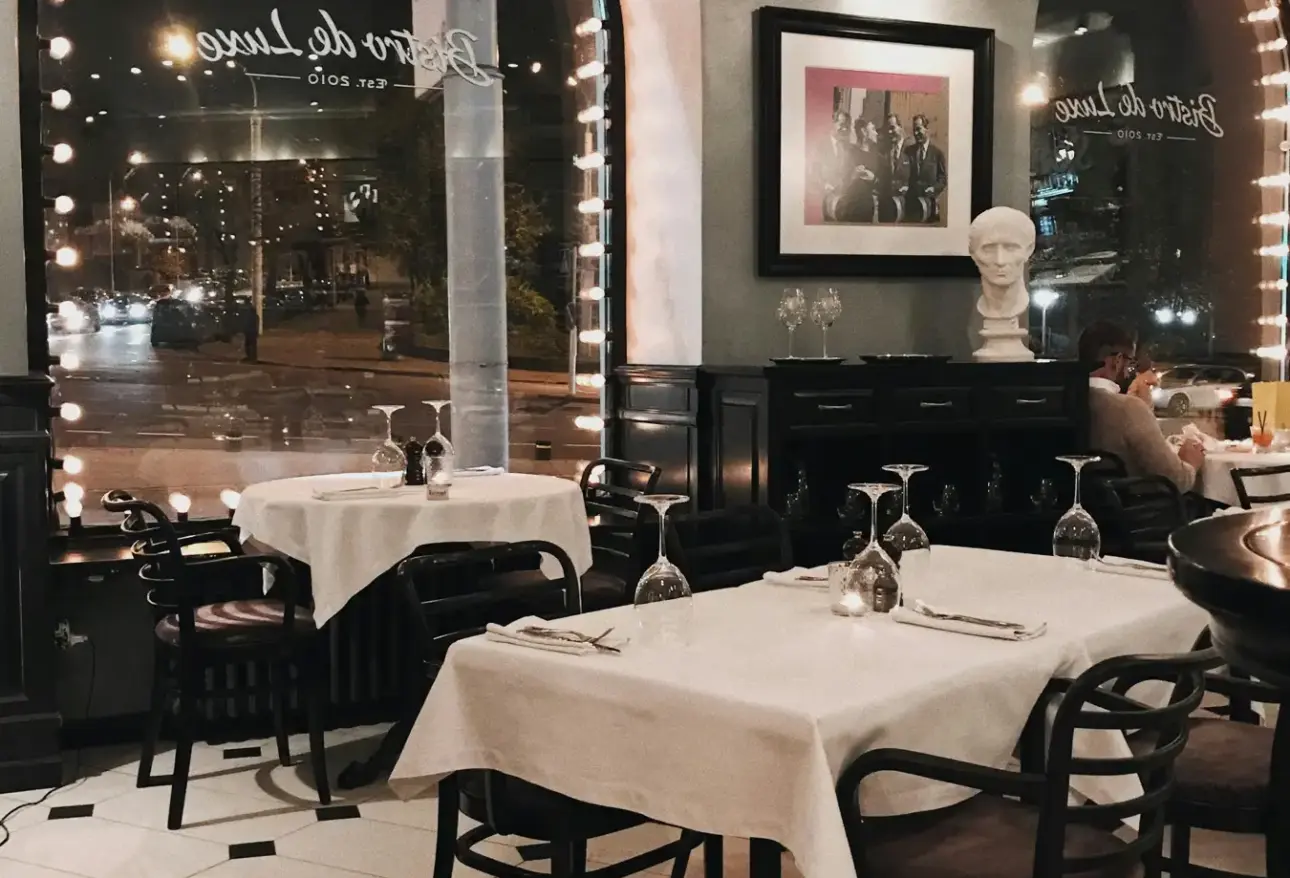
When we think of a Michelin-star(red) restaurant, we imagine white tablecloths, crystal glasses, and elite chefs in tall hats. But would you believe that the world’s most prestigious culinary award started as a way to sell more tires? The history of the Michelin star Guide is a fascinating story of French marketing genius that changed the way we eat forever.
The Surprising Origins: Roads, Maps, and Rubber
In 1900, there were fewer than 3,000 cars in all of France. Driving was a daring adventure, and roads were often unmarked. The brothers André and Édouard Michelin, founders of the eponymous tire company, had a problem: they needed people to drive more so they would wear out their tires faster.
To encourage road trips, they created the Michelin star Guide. The first editions were free and contained practical information for motorists: maps, instructions on how to change a tire, and a list of gas stations. But the brothers had a brilliant realization-drivers get hungry. They began listing hotels and restaurants, categorized by their quality.
The Birth of the Stars
By 1926, the guide had become so popular that the brothers started awarding a single star to fine-dining establishments. Five years later, the three-star hierarchy we know today was introduced. The criteria were simple but revolutionary:
- 1 Star: A very good restaurant in its category. (Une très bonne table dans sa catégorie)
- 2 Stars: Excellent cooking, worth a detour. (Table excellente, mérite un détour)
- 3 Stars: Exceptional cuisine, worth a special journey. (Une cuisine exceptionnelle, mérite le voyage)
Notice the language-everything was framed around the “journey” and the “car trip.” Even today, a three-star rating means the food is so good it is the primary reason to travel to that city.
The Secret World of the Inspectors
The mystery behind the Michelin star Guide lies in its anonymous inspectors. These professionals are the “special forces” of the food world. They never take notes while eating, they always pay their own bills, and they often visit the same restaurant multiple times before making a decision.
What are they looking for? It’s not about the decor or the service (those are rated separately with “fork and spoon” symbols). The star is strictly about what is on the plate. They judge based on five criteria: quality of ingredients, mastery of flavor and cooking techniques, the chef’s personality in the cuisine, value for money, and consistency between visits.
Why the Michelin Star Matters
For a chef, receiving a star is like winning an Oscar. It can put a remote village on the global map overnight. However, it also brings immense pressure. Legendary French chef Paul Bocuse, often called the “Pope of French Gastronomy,” held three stars for over 50 years. On the other hand, some modern chefs have actually “returned” their stars, tired of the intense stress and the rigid expectations that come with the rating.
Modern Evolution: The Green Star and Bib Gourmand
The Michelin star Guide has evolved with the times. Today, they also award the Green Star for sustainable gastronomy (restaurants that care about the planet) and the Bib Gourmand, which highlights exceptionally good food at a moderate price. This makes the guide accessible not just to millionaires, but to any food lover looking for a great meal.