Paris is far more than a travel destination. Instead, it is a living universe shaped by centuries of history, creativity, and transformation. From royal palaces to revolutionary streets, from sacred cathedrals to vibrant cafés, Paris offers an experience that feels both monumental and deeply personal.
For travelers seeking guided tours of Paris and its surroundings, the city unfolds as a layered story-one that rewards curiosity, reflection, and exploration.
A City Shaped by Time
From Roman Origins to Medieval Power
Paris began its story as Lutetia, a Roman settlement located on the Île de la Cité. Over time, this modest riverside community expanded into a strategic and prosperous city. Gradually, it became the political and cultural heart of the Frankish kingdom.
During the Middle Ages, Paris flourished. Universities emerged, including the renowned Sorbonne. At the same time, monumental religious structures transformed the skyline. Notre-Dame Cathedral rose as a symbol of faith, craftsmanship, and medieval ambition.
As a result, Paris established itself as a center of learning and spiritual life long before it became a modern capital.
The Rise of Royal Paris
Kings, Courts, and Absolute Power
By the 17th century, Paris entered a new era. Under powerful monarchs such as Louis XIV, France became the dominant force in Europe. Consequently, Paris evolved into a symbol of elegance, authority, and centralized rule.
Although the royal court eventually moved to Versailles, Paris remained the intellectual and cultural center of the kingdom. Grand avenues, palaces, and institutions reflected the ambition of a nation shaping its destiny.
Therefore, royal Paris was not only about luxury-it was about influence.
Revolution and Reinvention
The Birth of a Modern Nation
However, power did not remain unchallenged. In 1789, the French Revolution erupted, forever altering Paris and the world. Streets once reserved for nobility filled with citizens demanding equality and change.
As a result, Paris transformed from a royal capital into a revolutionary symbol. Ideas born here—liberty, citizenship, human rights-spread far beyond France’s borders.
Even today, the spirit of revolution remains embedded in the city’s identity.
Paris Through War and Resilience
A City Tested by Conflict
Throughout history, Paris faced numerous conflicts, including the Hundred Years’ War and later global struggles. Yet, time and again, the city endured.
World War II and the Liberation of Paris
Between 1940 and 1944, Paris lived under Nazi occupation. Despite hardship and fear, the city survived largely intact. Then, in August 1944, liberation arrived.
The entry of General Leclerc’s forces and the historic speech by General Charles de Gaulle at the Hôtel de Ville marked a turning point. Consequently, Paris reclaimed its freedom and its role as a symbol of hope.
D-Day and the Road to Freedom
Normandy’s Role in Paris’s Liberation
Although the D-Day landings occurred in Normandy on June 6, 1944, their impact reached far beyond the beaches. Without this decisive Allied operation, Paris could not have been freed.
In the weeks following D-Day, resistance fighters in Paris prepared for uprising. Meanwhile, Allied forces advanced toward the capital. As a result, the liberation of Paris became inevitable.
Thus, Normandy and Paris remain forever connected through shared sacrifice and victory.
Paris Today – A City That Lives and Breathes History
Today, Paris blends past and present with rare harmony. Medieval streets coexist with modern art. Royal palaces stand beside lively neighborhoods. Every corner tells a story.
For visitors, guided tours offer a meaningful way to understand these layers. Rather than simply seeing monuments, travelers discover how history, art, war, and culture intertwine.
Why Paris Captivates the World
Paris continues to inspire because it never stands still. Instead, it constantly reinvents itself while honoring its past.
From Roman foundations to revolutionary ideals, from wartime resilience to modern creativity, Paris remains timeless.
For those seeking a deep, immersive introduction to the city, Paris offers not just sights—but stories that stay with you long after you leave.
The Monuments That Define Paris
Arc de Triomphe
Arc de Triomphe: The Story Behind One of Paris’s Greatest Symbols
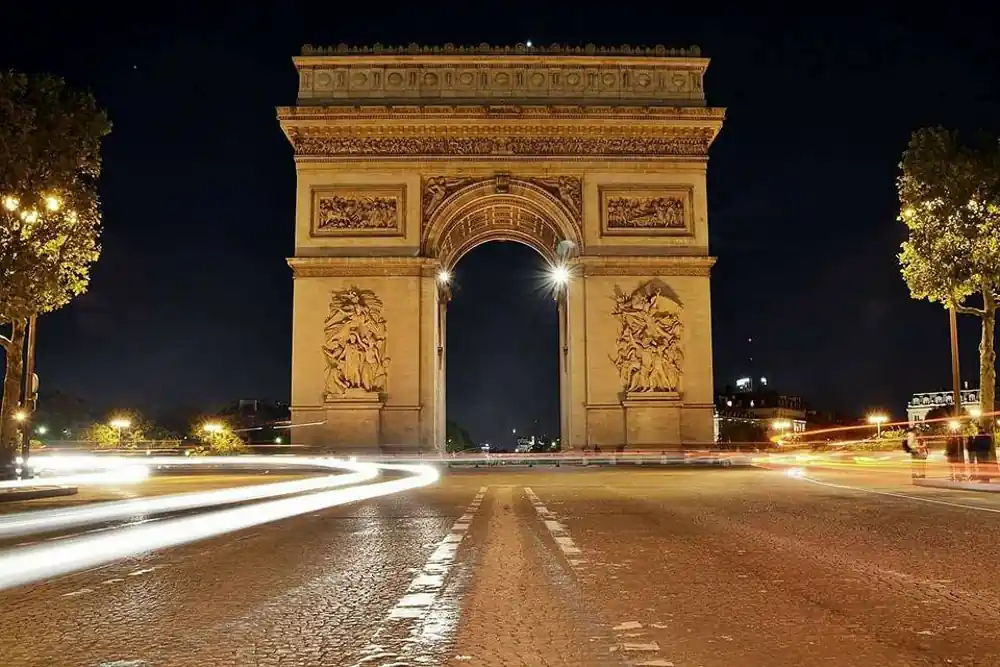
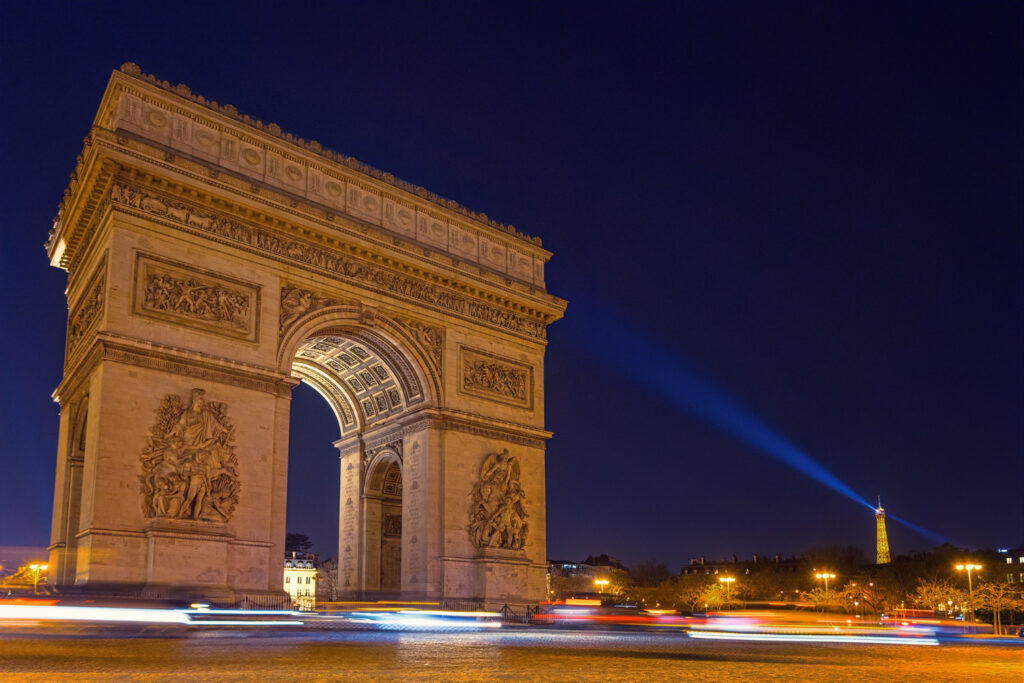
At the western end of the Champs-Élysées, the Arc de Triomphe rises as one of Paris’s most powerful landmarks. More than a monument, it represents French history, national pride, and artistic ambition. Because of its commanding presence and deep symbolism, it remains an essential stop for every visitor to Paris.
However, to truly appreciate the Arc de Triomphe, it helps to understand the story behind its creation.
Napoleon’s Vision for a Monument of Triumph
The origins of the Arc de Triomphe date back to 1806. After his victory at the Battle of Austerlitz, Napoleon Bonaparte ordered the construction of a monumental arch. His goal was simple but bold: he wanted to honor the French army and celebrate national unity.
Moreover, Napoleon imagined an arch that could rival those of ancient Rome. Although his reign ended before its completion, his vision shaped the monument’s identity. Construction continued through several political changes and finally ended in 1836 under King Louis-Philippe. As a result, the Arc became a tribute to both the Revolution and the Empire.
A Monument That Defines Paris’s Landscape
The Arc de Triomphe impresses visitors immediately with its scale. Standing 50 meters tall and 45 meters wide, it dominates Place Charles-de-Gaulle.
In addition, twelve wide avenues radiate from the monument in a star-shaped pattern. This urban design, later emphasized by Baron Haussmann, places the Arc at the heart of western Paris. Therefore, it serves as both a visual anchor and a symbolic gateway to the Champs-Élysées.
Sculptures That Tell France’s Story
Every side of the Arc de Triomphe carries meaning. Monumental sculptures transform stone into storytelling.
Key Sculptural Highlights
- The Departure of the Volunteers (La Marseillaise) by François Rude captures emotion and movement, symbolizing the call to defend the nation.
- The Triumph of 1810 by Jean-Pierre Cortot presents Napoleon as a unifying leader.
- The Resistance of 1814 and The Peace of 1815 by Antoine Etex reflect sacrifice and reconciliation.
Furthermore, the monument displays the names of 660 generals and major battles. Names underlined mark those who died in combat. Consequently, the Arc functions as an open-air archive of French military history.
The Tomb of the Unknown Soldier
Since 1920, the Arc de Triomphe has also served as a place of remembrance. Beneath its vault rests the Tomb of the Unknown Soldier, honoring those who died in World War I without identification.
An eternal flame has burned here since 1923. Each evening at 6:30 PM, a ceremonial relighting takes place. As a result, the Arc remains not only historic, but deeply sacred.
National Ceremonies and Historic Events
The Arc de Triomphe plays a central role in France’s public life. For instance, the Bastille Day military parade begins here each year. Likewise, Armistice Day ceremonies honor fallen soldiers at the tomb.
Additionally, the Tour de France finale passes beneath the arch, and major world events often bring special light displays. Therefore, the monument continues to connect France’s past with its present.
The View From the Top
Climbing the Arc de Triomphe rewards visitors with one of Paris’s most impressive panoramas. After ascending 284 steps, or taking the elevator partway, you reach a circular terrace.
From there, you can see:
- the Eiffel Tower
- the Champs-Élysées
- Montmartre and Sacré-Cœur
- La Défense and the Grande Arche
- the golden dome of Les Invalides
Because of its position, the Arc offers one of the clearest views of Paris’s grand urban design.
Stories That Shaped the Monument
Over time, the Arc de Triomphe has witnessed major historical moments. Napoleon’s funeral procession passed beneath it in 1840. Victory marches followed both World Wars. In 1944, Charles de Gaulle walked under the arch after the Liberation of Paris.
Interestingly, its influence even reached beyond Europe. A larger triumphal arch in Pyongyang was inspired directly by the Paris original.
Why the Arc de Triomphe Is a Must-Visit
The Arc de Triomphe offers far more than a photo opportunity. Visitors can explore exhibitions inside, study sculptures up close, attend the eternal flame ceremony, and enjoy one of the best viewpoints in Paris.
Ultimately, the Arc de Triomphe stands as a place where history, memory, and breathtaking views meet. For anyone exploring Paris, it remains an experience that should never be missed.
The Eiffel Tower – La Tour Eiffel
The Icon That Defines Paris
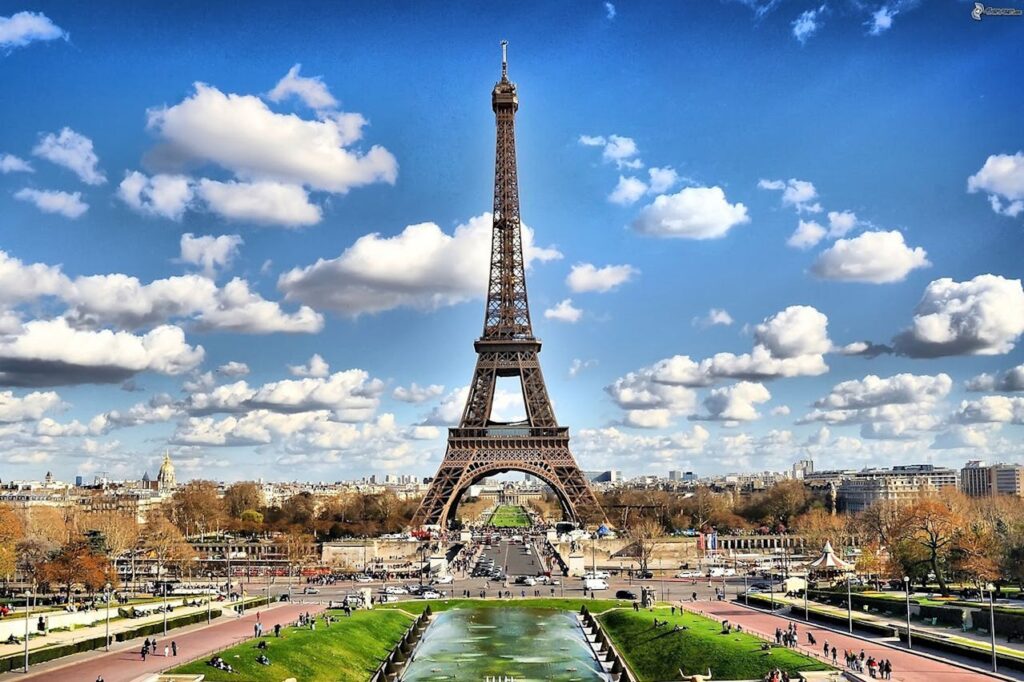
The Eiffel Tower, known in French as La Tour Eiffel, stands as the most powerful symbol of Paris and France itself. More than a monument, it represents innovation, romance, and national pride. Rising high above the Paris skyline, the tower attracts millions of visitors each year. Therefore, it remains an essential stop on any guided tour of Paris.
A Bold Vision of Iron and Progress
The Eiffel Tower was built for the Exposition Universelle of 1889. This world’s fair celebrated the 100th anniversary of the French Revolution. Engineer Gustave Eiffel and his team designed the tower as a bold statement of industrial progress.
At the time, many Parisians doubted the project. However, when the tower opened, it instantly changed the city’s skyline. Standing 300 meters tall, it became the tallest structure in the world. As a result, it symbolized France’s scientific ambition and modern spirit.
Even today, the tower remains a masterpiece of iron architecture and engineering innovation.
An Engineering Marvel Ahead of Its Time
The Eiffel Tower consists of 18,038 iron pieces held together by more than 2.5 million rivets. Each element was carefully assembled with precision. Although artists once criticized its appearance, the lattice structure now defines Parisian modernity.
Key Facts Visitors Love
- Weight: approximately 10,100 tons
- Height today: 330 meters with antennas
- Levels: three accessible floors
- Color: Eiffel Tower Brown, repainted every seven years
Moreover, the tower adapts to nature. Depending on temperature, it expands or contracts by up to 15 centimeters. This flexibility ensures its stability against wind and weather.
Exploring the Eiffel Tower – Three Unique Levels
Visiting the Eiffel Tower offers three distinct experiences. Each level reveals a new perspective on Paris.
First Floor
Here, visitors walk on a transparent glass floor. As a result, the view straight down creates an exciting sensation. In addition, rotating exhibits explain the tower’s history and design.
Second Floor
This level provides one of the best photo viewpoints in Paris. Furthermore, it hosts famous restaurants, including Le Jules Verne, a Michelin-starred dining experience suspended above the city.
The Summit
At the top, visitors discover Gustave Eiffel’s preserved office. Moreover, panoramic views extend up to 65 kilometers on clear days. A champagne bar adds a celebratory touch to the experience.
Whether visited by day or night, the views remain unforgettable.
The Eiffel Tower After Dark
As evening falls, the Eiffel Tower transforms completely. Every hour, it sparkles with 20,000 golden lights for five magical minutes. Meanwhile, a warm golden glow illuminates the structure throughout the night.
Occasionally, special light projections mark global celebrations and historic moments. Therefore, evening visits rank among the most romantic experiences in Paris.
The Eiffel Tower Through History
Over time, the Eiffel Tower played many unexpected roles. In the early 1900s, scientists used it for radio transmission and meteorology experiments. During World War I, it served as a crucial military radio tower.
Later, during World War II, German forces occupied Paris. However, the French cut the elevator cables, preventing easy access to the summit. In 1944, the tower once again became a symbol of freedom during the Liberation of Paris.
Since then, extensive restorations and modernization projects have improved visitor comfort while preserving its historic character.
The Area Around the Eiffel Tower
The surroundings of the Eiffel Tower enhance the visitor experience.
Champ de Mars
This vast green space invites picnics, scenic walks, and photography. It also offers stunning views of the tower from below.
Trocadéro
Across the Seine, the Trocadéro provides the best panoramic viewpoints. Consequently, it remains a favorite spot for sunrise and nighttime photos.
Seine River Cruises
Many river cruises pass directly in front of the Eiffel Tower. From the water, the monument appears especially magical.
Guided tours often combine these locations for a complete Paris experience.
A Sustainable Landmark for the Future
Today, the Eiffel Tower embraces sustainability. It uses low-energy LED lighting, wind turbines, and solar panels. In addition, recycling systems and eco-friendly visitor practices reduce its environmental impact.
Thanks to these efforts, the tower remains both a historic treasure and a forward-thinking landmark.
Fascinating Facts and Hidden Stories
The Eiffel Tower also hides many surprising stories. Gustave Eiffel climbed to the summit himself to place the French flag. In 1925, a con artist famously “sold” the tower as scrap metal-twice.
Moreover, the tower hosted daring stunts, races, and artistic performances. Since 1889, more than 300 million visitors have admired it. These stories make guided tours engaging and unforgettable.
Why the Eiffel Tower Is a Must-See
Ultimately, the Eiffel Tower is more than a landmark. It is a symbol of Paris’s past, present, and future. From its engineering brilliance to its breathtaking views, it continues to inspire visitors from around the world.
For anyone visiting Paris, experiencing the Eiffel Tower is not optional-it is essential.
The Louvre Museum – Musée de Louvre
The Louvre Museum – A Journey Through Art, Power, and Civilization
The Musée du Louvre is far more than a museum. It stands as the cultural heart of Paris and one of the most important artistic institutions in the world. With artworks spanning over 9,000 years and collections from every continent, the Louvre invites visitors on a remarkable journey through human creativity.
For travelers in Paris, a guided visit to the Louvre often becomes one of the most memorable experiences of their trip.
From Medieval Fortress to Royal Palace
Long before it welcomed art lovers, the Louvre served a very different purpose. In 1190, King Philippe Auguste built it as a defensive fortress to protect Paris from river invasions. Even today, parts of these medieval walls remain visible beneath the museum.
Later, during the 16th century, King François I transformed the fortress into a royal residence. As a passionate supporter of the arts, he introduced Renaissance culture to France. Over time, successive monarchs expanded the palace. Eventually, during the French Revolution in 1793, the Louvre opened to the public as a museum.
As a result, the building itself reflects centuries of political and cultural change.
A Palace of Architecture and Contrast
The Historic Palace
The Louvre palace combines multiple architectural styles. Medieval foundations, Renaissance elegance, Baroque grandeur, and classical symmetry coexist within its walls. As visitors walk through its courtyards and galleries, they move through layers of French history.
The Glass Pyramid
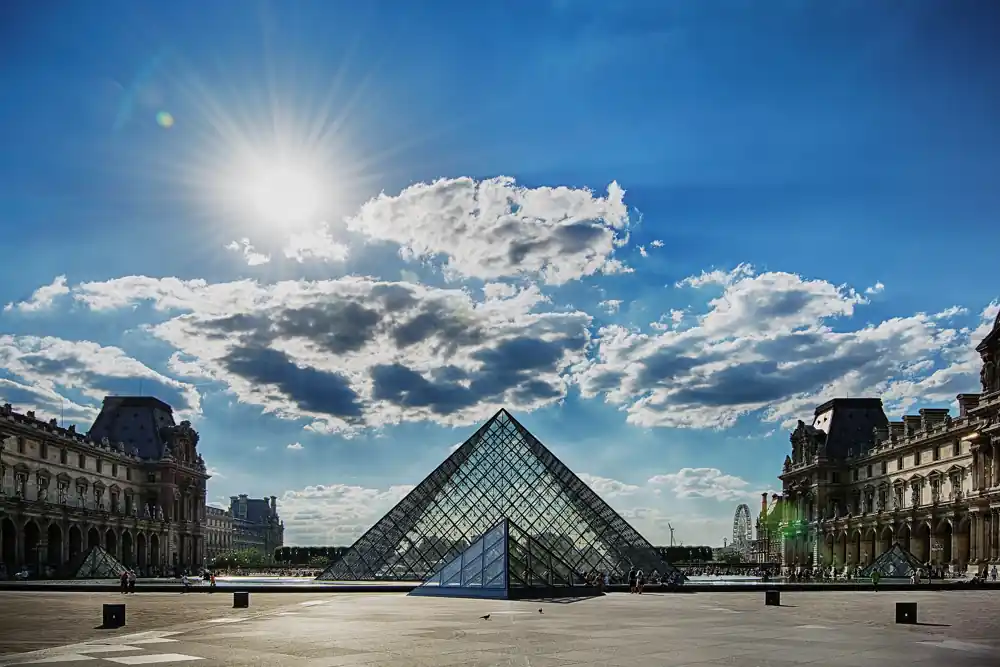
In 1989, architect I. M. Pei introduced the Glass Pyramid. At first, the modern design sparked debate. However, it soon became one of Paris’s most recognizable landmarks. Today, the pyramid serves as the museum’s main entrance and symbolizes the Louvre’s balance between tradition and innovation.
Collections That Span Civilizations
The Louvre’s collection includes more than 38,000 artworks. To guide visitors, the museum divides them into eight major departments. Together, they offer a global view of artistic achievement.
Masterpieces That Define the Louvre
A guided tour often focuses on the museum’s most famous works.
World-Famous Highlights
- Mona Lisa by Leonardo da Vinci captivates visitors with her mysterious smile.
- Venus de Milo, a masterpiece of ancient Greek sculpture, embodies classical beauty.
- Winged Victory of Samothrace stands triumphantly atop a grand staircase.
- Liberty Leading the People by Delacroix celebrates revolution and freedom.
- The Coronation of Napoleon by Jacques-Louis David presents imperial power on a monumental scale.
- The Great Sphinx of Tanis showcases the grandeur of ancient Egypt.
Together, these works form the backbone of the Louvre’s global reputation.
Egyptian Antiquities – Life Along the Nile
The Louvre houses one of the largest Egyptian collections outside Egypt. Visitors encounter sarcophagi, mummies, statues of pharaohs, and ritual objects.
Guided explanations reveal how religion, symbolism, and daily life shaped ancient Egyptian civilization. Consequently, these galleries offer a powerful connection to one of the world’s earliest cultures.
Greek, Etruscan, and Roman Art
Classical antiquities play a central role in the museum. From Cycladic figurines to Roman mosaics, the collection traces the evolution of Mediterranean art.
Highlights include Greek pottery, mythological sculptures, and Hellenistic masterpieces. Through these works, visitors understand how ancient aesthetics influenced Western civilization.
Near Eastern Antiquities – Where Civilization Began
The Louvre also explores the origins of writing, law, and urban life. Artifacts from Mesopotamia, Persia, and the Levant tell this story.
One of the most significant objects is the Code of Hammurabi, one of the earliest known legal texts. In this way, the museum connects art with the foundations of society.
The Arts of Islam
Beneath a golden, wave-like roof, the Islamic Arts galleries display over a thousand years of creativity. Ceramics, carpets, metalwork, and calligraphy illustrate the elegance of Islamic design.
As visitors move through the space, they discover how mathematics, geometry, and spirituality shaped this artistic tradition.
European Painting and Sculpture
The Louvre’s European collections remain unmatched. Italian Renaissance masters such as Leonardo, Raphael, and Michelangelo appear alongside Dutch painters like Rembrandt and Vermeer.
French artists, including David and Delacroix, highlight national artistic movements. Meanwhile, sculpture galleries feature masterpieces such as Psyche Revived by Cupid’s Kiss by Canova.
Decorative Arts and Royal Apartments
Beyond paintings and statues, the Louvre reveals royal life. Visitors explore medieval goldwork, tapestries, and Renaissance furniture.
Napoleon III’s apartments stand out for their lavish decoration. Gold, mirrors, and silk fabrics reflect the luxury of imperial France.
Why a Guided Tour Makes a Difference
The Louvre covers more than 73,000 square meters. Without guidance, many visitors feel overwhelmed. Guided tours solve this challenge.
They offer curated routes, skip-the-line entry, and expert storytelling. As a result, visitors gain clarity, context, and deeper appreciation.
The Louvre and Its Surroundings
The museum sits in the heart of historic Paris. Nearby attractions include the Tuileries Garden, the Pont des Arts, and the Seine riverbanks.
Because of this location, many travelers combine their museum visit with walks, photography, or river cruises.
Stories That Bring the Louvre to Life
The Louvre holds countless legends. The theft of the Mona Lisa in 1911 shocked the world and increased her fame. During World War II, staff evacuated artworks to protect them from Nazi looting.
Hidden tunnels and preserved imperial apartments continue to fascinate visitors today.
The Louvre Today – A Living Museum
The museum constantly evolves. Digital guides, family-friendly programs, temporary exhibitions, and evening openings ensure that each visit feels unique.
Ultimately, the Louvre remains not only a guardian of the past but also a museum of the future.
Louvre Museum Private Guided Tour with Reserved Access
Musée d’Orsay – A Long, Elegant
Musée d’Orsay – Where Art, Light, and History Meet
Located on the Left Bank of the Seine, the Musée d’Orsay stands among the most beautiful museums in Paris. Moreover, it ranks as one of the most admired art museums in the world. Set inside a spectacular former railway station, the museum celebrates Impressionism, Post-Impressionism, and 19th-century art.
Because of its unique setting and extraordinary collection, a visit to the Musée d’Orsay becomes an essential cultural experience for anyone exploring Paris.
From Railway Station to Cultural Landmark
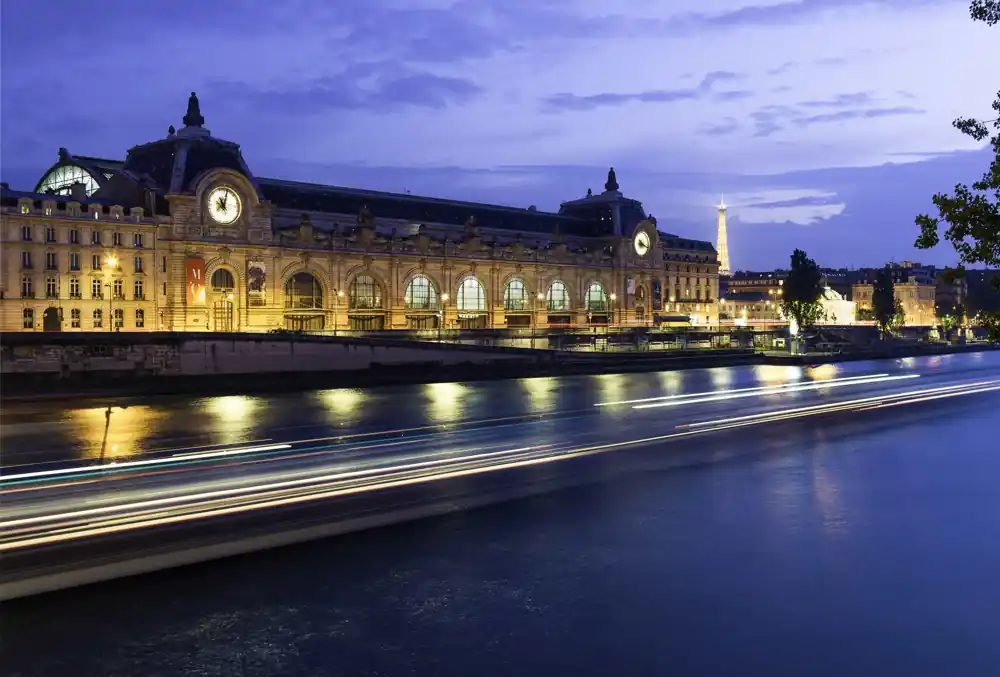
Before housing world-famous artworks, the Musée d’Orsay served a very different purpose. Originally, it was the Gare d’Orsay, a Beaux-Arts railway station built for the 1900 Exposition Universelle.
Designed by leading architects of the era, the station represented modern innovation. It featured electric trains, elegant decoration, and cutting-edge technology. However, by the 1930s, longer trains made the station obsolete.
For decades, the building faced an uncertain future. Some even suggested demolition. Eventually, the French government chose a more visionary path. As a result, the station transformed into a museum that would bridge classical art and modern creativity.
In 1986, the Musée d’Orsay officially opened. Since then, it has become a global reference for 19th-century art.
An Architectural Experience Unlike Any Other
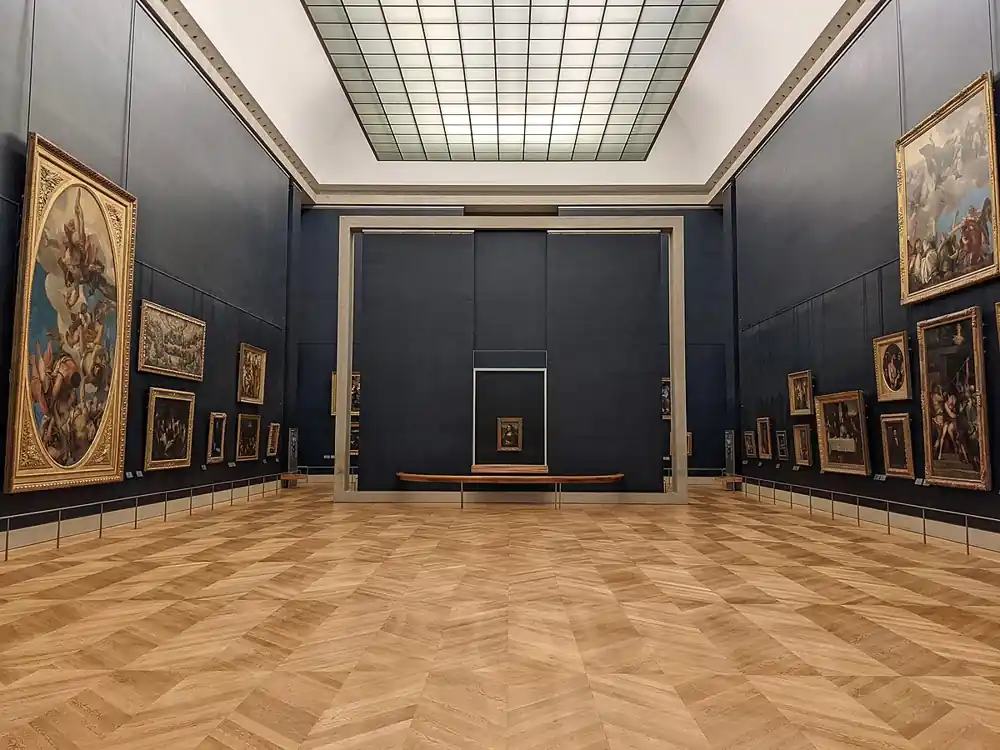
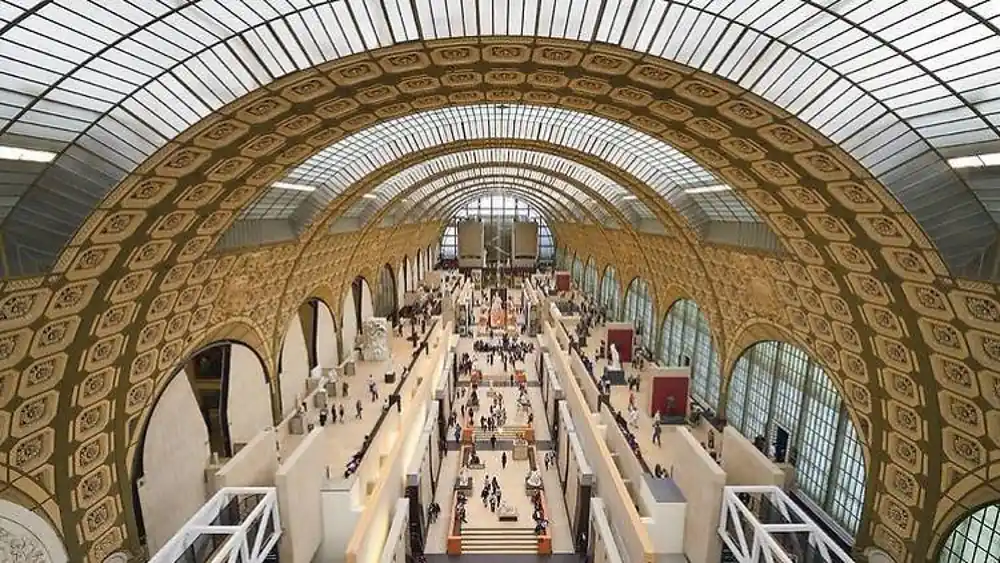
Stepping inside the Musée d’Orsay feels like entering a cathedral of art and light. The museum preserves many original architectural elements, which enhances its atmosphere.
Visitors immediately notice:
- the vast iron-and-glass vaulted ceiling
- the elegant stone façades
- the grand central hall, once filled with trains
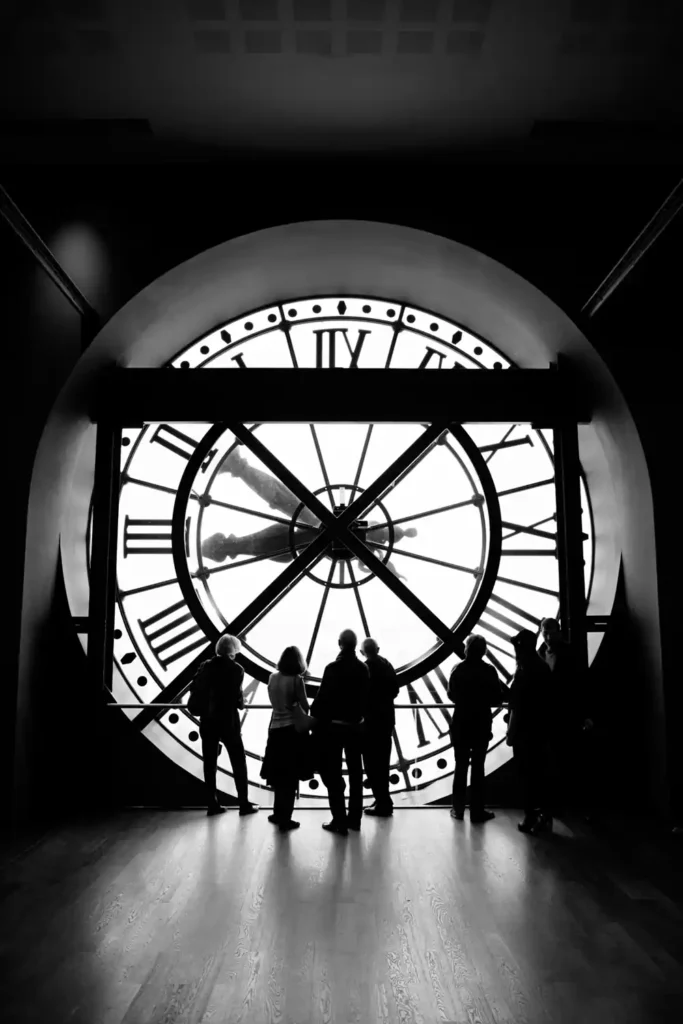
- the iconic station clock overlooking Paris
Because of this harmonious blend of history and design, the museum itself becomes part of the artistic experience.
The Heart of the Museum – Impressionism
The Musée d’Orsay holds the world’s most important collection of Impressionist art. Therefore, it stands as the ultimate destination for understanding this revolutionary movement.
Masters of Impressionism
Visitors can admire works by:
- Claude Monet, whose paintings explore light and atmosphere
- Pierre-Auguste Renoir, known for joyful scenes of Parisian life
- Edgar Degas, famous for ballet dancers and modern city scenes
- Camille Pissarro and Alfred Sisley, masters of landscape painting
- Édouard Manet, whose bold compositions changed art forever
Together, these artists transformed how painters captured everyday life, movement, and emotion.
Post-Impressionism – Emotion and Innovation
Beyond Impressionism, the museum also highlights Post-Impressionist artists who pushed art into new emotional territory.
Vincent van Gogh and Emotional Expression
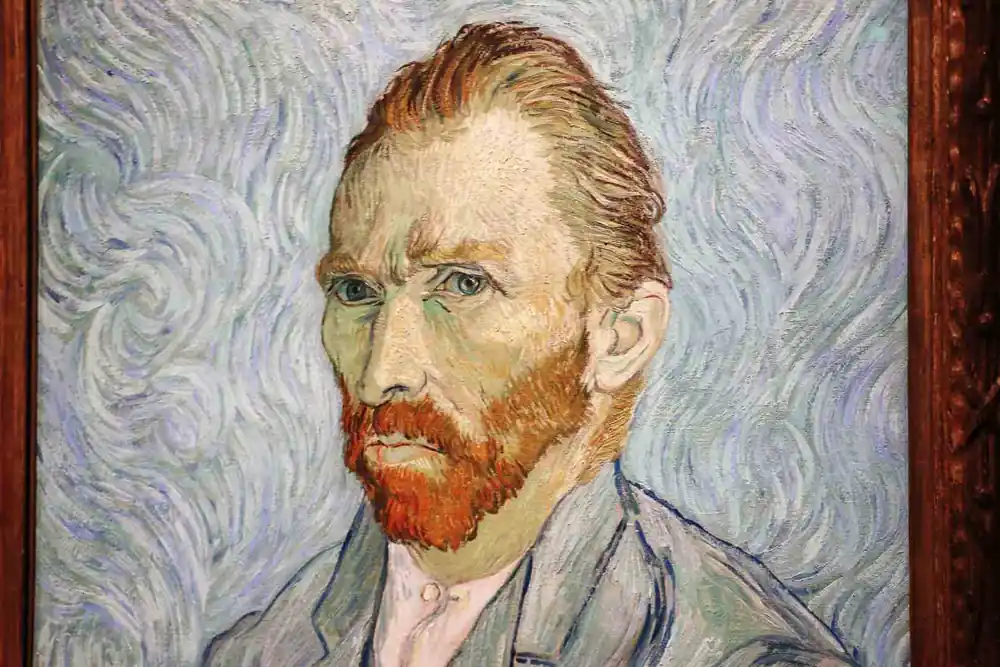
Among the most powerful works are those by Vincent van Gogh. His paintings reveal intense emotion, bold color, and deep personal struggle.
Visitors encounter:
- night scenes filled with glowing light
- intimate interiors full of symbolism
- expressive self-portraits that feel deeply human
As a result, these galleries often leave a lasting emotional impression.
Why the Musée d’Orsay Feels So Special
Unlike larger museums, the Musée d’Orsay offers a sense of balance. The collection feels rich yet manageable. Moreover, the natural light and open layout create a calm and inspiring environment.
Because of this, many visitors prefer Orsay as their favorite museum in Paris. It combines beauty, accessibility, and artistic depth in a single space.
The Musée d’Orsay in the Paris Experience
Situated near the Seine, the museum fits perfectly into a day of sightseeing. After a visit, travelers often stroll along the river, explore nearby neighborhoods, or enjoy cafés on the Left Bank.
In this way, the Musée d’Orsay becomes not just a museum stop, but a highlight of Parisian life.
Final Thoughts – A Museum That Speaks to the Soul
The Musée d’Orsay offers more than art. It offers emotion, history, and inspiration. From its stunning architecture to its revolutionary paintings, every visit feels meaningful.
Ultimately, the Musée d’Orsay reminds us that art does not only reflect history – it shapes how we see the world. For anyone visiting Paris, this museum remains an experience that should never be missed.
Post-Impressionist Visionaries Who Changed Art
Beyond Impressionism, the Musée d’Orsay reveals how artists pushed boundaries even further. As a result, visitors witness the birth of modern artistic thinking.
Paul Gauguin – Color, Symbolism, and Spirituality
Paul Gauguin broke away from European traditions. Instead, he sought inspiration in distant cultures and inner emotion. His vibrant Tahitian paintings explore spirituality, human nature, and symbolism. Through bold colors and simplified forms, Gauguin reshaped how art could express meaning beyond reality.
Paul Cézanne – The Bridge to Modern Art
Paul Cézanne played a crucial role in the evolution of art. Rather than focusing on fleeting impressions, he emphasized structure and form. His still lifes and landscapes from Provence laid the foundation for Cubism. Consequently, Cézanne influenced generations of modern artists.
Henri de Toulouse-Lautrec – The Soul of Parisian Nightlife
In contrast, Henri de Toulouse-Lautrec turned his attention to the vibrant life of Paris. His posters and paintings capture cabarets, dancers, and nightlife. Through expressive lines and bold compositions, he documented the energy of Montmartre and the world of entertainment.
Together, these galleries show how artists abandoned tradition and reimagined how the world could be seen.
Sculpture, Decorative Arts, and Photography
The Musée d’Orsay offers far more than paintings. In fact, its collections reflect the full artistic spirit of the 19th century.
Sculpture in Monumental Spaces
Throughout the central nave and upper floors, visitors encounter remarkable sculptures. These works bring movement, emotion, and realism into three-dimensional form.
Highlights include creations by:
- Auguste Rodin
- Jean-Baptiste Carpeaux
- Camille Claudel
- Aimé-Jules Dalou
As visitors walk among these statues, art feels alive and dynamic.
Art Nouveau and the Birth of Modern Design
At the same time, the museum showcases decorative arts that shaped everyday beauty. Furniture, glasswork, and interior designs reveal the elegance of Art Nouveau.
Notable designers include:
- Émile Gallé
- Hector Guimard
- Louis Majorelle
Through organic lines and natural motifs, these works highlight the transition from tradition to modern design.
Early Photography – Capturing a Changing World
In addition, the Musée d’Orsay honors the pioneers of photography. Early photographs document social change, urban life, and artistic experimentation. Consequently, visitors gain insight into how photography emerged as a powerful visual language.
The Great Clock – An Iconic Paris View
One of the museum’s most beloved features is its monumental clock. Originally part of the train station, the transparent clock windows now frame breathtaking views of Paris.
From behind the clock, visitors can admire:
- the Seine River
- the Louvre
- rooftops of the Right Bank
Because of this perspective, the clock has become one of the most photographed spots in the city.
Essential Masterpieces Not to Miss
Even with limited time, a curated visit ensures access to iconic works. A guided tour often highlights:
- Whistler’s Mother – James McNeill Whistler
- The Angelus – Jean-François Millet
- Olympia – Édouard Manet
- The Gleaners – Millet
- The Birth of Venus – Alexandre Cabanel
- Dance at Le Moulin de la Galette – Renoir
- The Burning of the Houses of Lords and Commons – William Turner
With expert explanations, these artworks reveal deeper meaning and historical context.
Why a Guided Tour Enhances the Experience
The Musée d’Orsay tells a complex story. Therefore, guided tours add real value.
A guided visit provides:
- a clear narrative from Realism to Impressionism to Post-Impressionism
- insight into artists’ rivalries, struggles, and breakthroughs
- connections between art and Parisian history
- efficient navigation through the galleries
- hidden symbolism revealed through expert commentary
As a result, the museum becomes easier to understand and far more engaging.
The Neighborhood – Culture Along the Seine
The Musée d’Orsay sits in the elegant 7th arrondissement. Moreover, it lies near many iconic landmarks.
Nearby attractions include:
- the Seine River, ideal for cruise tours
- the Tuileries Garden across the water
- the Louvre, visible from museum balconies
- the Assemblée Nationale
- cafés and galleries in Saint-Germain-des-Prés
Because of this setting, the area is perfect for cultural walking tours.
Fascinating Stories That Bring the Museum to Life
Finally, the Musée d’Orsay holds remarkable stories. Steam trains once filled the central hall. Orson Welles filmed scenes here before its transformation. Many Impressionist painters faced ridicule during their lifetimes, yet later became legends.
Moreover, the museum’s conversion played a major role in preserving French heritage. The vast hall once sheltered trains bound for Bordeaux and Nantes. Today, it welcomes art lovers from around the world.
Final Thought
The Musée d’Orsay is more than a museum. It is a bridge between tradition and innovation, history and emotion, architecture and art. Every visit reveals new stories, making it one of the most rewarding cultural experiences in Paris.
The Palace of Versailles
The Palace of Versailles – Power, Splendor, and the Story of France
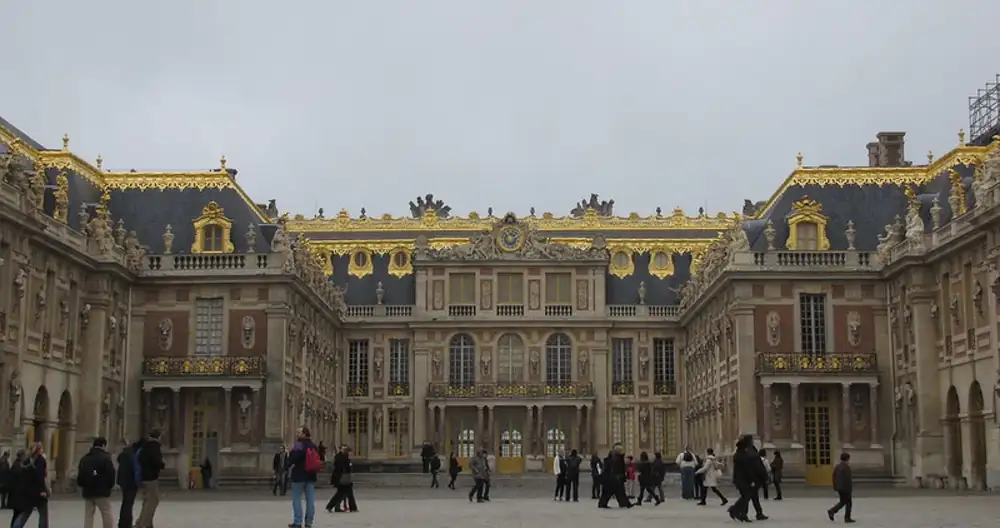
The Palace of Versailles is far more than a former royal residence. Instead, it stands as a living chronicle of French history and European power. Located just 20 kilometers from Paris, Versailles represents ambition, beauty, and political strategy on an unmatched scale. For travelers, a guided tour of Versailles offers an immersive journey through centuries of kings, revolutions, and world-changing events.
Early Beginnings – From Quiet Village to Royal Retreat
Long before Versailles became famous, it was only a modest village surrounded by forests and marshland. At first, the area held little strategic value. However, everything changed in 1623 when King Louis XIII built a small hunting lodge on the site.
A few years later, in 1631, he expanded the lodge into a more comfortable residence. As a result, Versailles became a private retreat where the king could escape the political tension of Paris. Although modest, this structure would later form the heart of one of the grandest palaces in history.
Louis XIV – The Sun King’s Vision of Absolute Power
The true transformation of Versailles began with Louis XIV. Crowned as a child, the future Sun King grew up amid civil unrest known as the Fronde. Consequently, these early experiences shaped his determination to control power and prevent noble rebellion.
As an adult, Louis XIV sought to:
- centralize authority
- dominate the nobility
- display France’s supremacy
- create a court centered entirely on himself
Therefore, Versailles became the perfect stage for his ambitions.
Building a Palace Like No Other
From 1661 until his death in 1715, Louis XIV oversaw an extraordinary construction project. Gradually, the former hunting lodge expanded into the most magnificent palace in Europe.
The scale was astonishing:
- over 36,000 workers
- thousands of horses
- decades of continuous construction
Moreover, the king assembled the finest minds of the era.
The Masters Behind Versailles
- Louis Le Vau led the first major expansions
- Jules Hardouin-Mansart designed the grand façades and iconic halls
- Charles Le Brun created the lavish interiors
- André Le Nôtre shaped the legendary gardens
Although wars and financial crises caused delays, the palace continued to grow in size and splendor.
Versailles Becomes the Heart of Power
In 1682, Louis XIV made a bold political move. He relocated the royal court and the French government to Versailles. As a result, the palace became the center of absolute monarchy.
This strategy changed France forever:
- nobles lost regional influence
- court life replaced independent power
- etiquette became a political weapon
Daily rituals such as the king’s morning rising and evening retirement turned into elaborate ceremonies. Therefore, nobles competed fiercely for proximity to the monarch.
Versailles was no longer just a residence. Instead, it functioned as a carefully designed system of control.
The Hall of Mirrors – A Symbol of Royal Glory
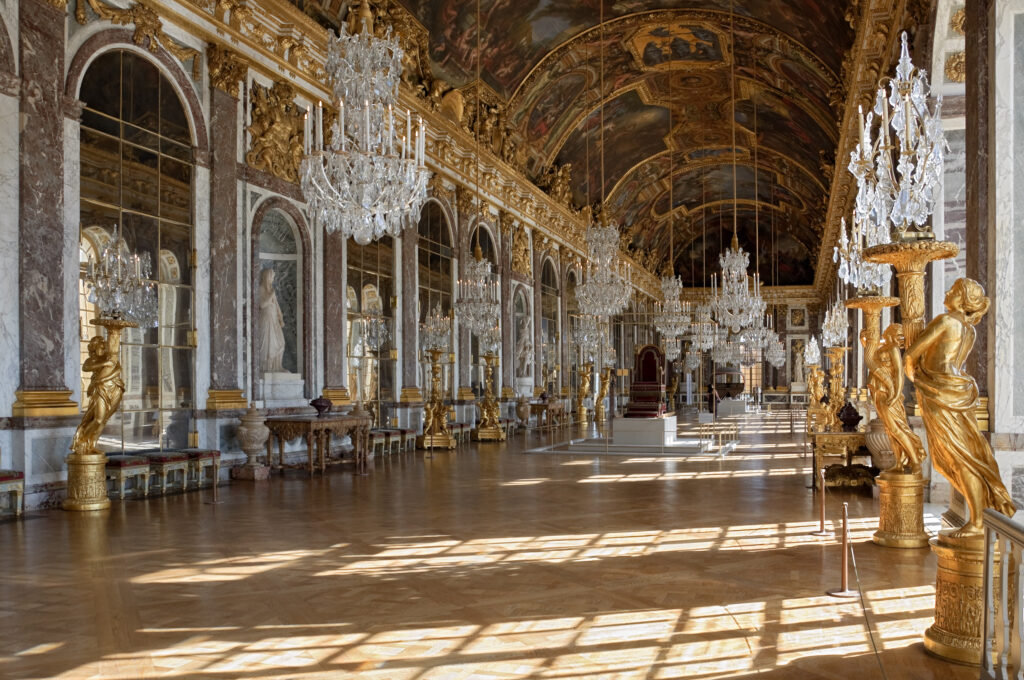
At the heart of the palace lies the Hall of Mirrors, one of the most famous rooms in the world. Built between 1678 and 1684, this gallery embodies the power and elegance of Louis XIV.
Stretching over 70 meters, it features:
- 357 mirrors reflecting garden light
- grand arched windows
- painted ceilings celebrating royal victories
Consequently, the hall served both political and ceremonial purposes. Kings welcomed ambassadors here, while history itself unfolded beneath its glittering reflections.
Versailles Through Revolution and Change
Although Versailles symbolized monarchy, it also witnessed its downfall. During the French Revolution, the royal family was forced to leave the palace. For years, the site fell into neglect.
However, the palace later gained new significance. In 1919, the Treaty of Versailles officially ended World War I within the Hall of Mirrors. As a result, Versailles became a place where modern global history took shape.
Why Visit Versailles With a Guided Tour
Because of its vast size and complex history, Versailles can feel overwhelming. Therefore, guided tours greatly enhance the experience.
A guided visit offers:
- clear historical storytelling
- efficient routes through the palace
- insight into royal life and politics
- access to key highlights without confusion
As a result, visitors gain deeper understanding while saving valuable time.
The Gardens – Nature as a Political Statement
Beyond the palace walls, the gardens extend endlessly. Designed by André Le Nôtre, they reflect order, symmetry, and human control over nature.
Highlights include:
- geometric flower beds
- grand fountains
- tree-lined avenues
- hidden groves
Because of their scale and precision, the gardens remain one of the finest landscape designs ever created.
Versailles Today – A Living Monument
Today, the Palace of Versailles welcomes millions of visitors each year. Through exhibitions, restorations, and guided experiences, it continues to evolve.
Yet its meaning remains unchanged. Versailles still tells the story of ambition, power, and beauty on a grand scale.
Final Thoughts – A Journey Through Time
Visiting Versailles is not simply sightseeing. Instead, it is stepping into the heart of French history. From royal splendor to revolutionary change, the palace reflects centuries of triumph and transformation.
For anyone exploring Paris, a guided tour of Versailles remains one of the most unforgettable experiences France has to offer.
Why it mattered:
- Mirrors were extremely expensive at the time and symbolized technological superiority.
- The hall glorified Louis XIV’s victories and divine status as the “Sun King.”
- It was used for diplomatic receptions, balls, weddings, and political ceremonies.
Historic moments in the Hall of Mirrors:
- 1686: Reception of the Moroccan ambassador
- 1871: German Empire proclaimed (an event deeply humiliating to France)
- 1919: Signing of the Treaty of Versailles, ending WWI
Versailles has witnessed both France’s greatest glory and its most painful defeats.
Life at Court – Ceremony, Culture & Intrigue
Court life at Versailles was highly structured:
Daily rituals
- The king’s morning ritual (lever) was attended by privileged nobles.
- Dining was a public ceremony.
- Etiquette dictated everything, from bowing protocols to clothing.
Culture
Versailles became a cultural magnet, attracting geniuses like:
- Molière (playwright)
- Lully (composer)
- Racine (playwright)
- Le Nôtre (landscape architect)
Intrigues
The rigid court structure also fueled jealousy and political plotting. Stories of rivalry between nobles, mistresses, and advisers are a major highlight of guided tours.
The Gardens – Nature Sculpted Into Majesty
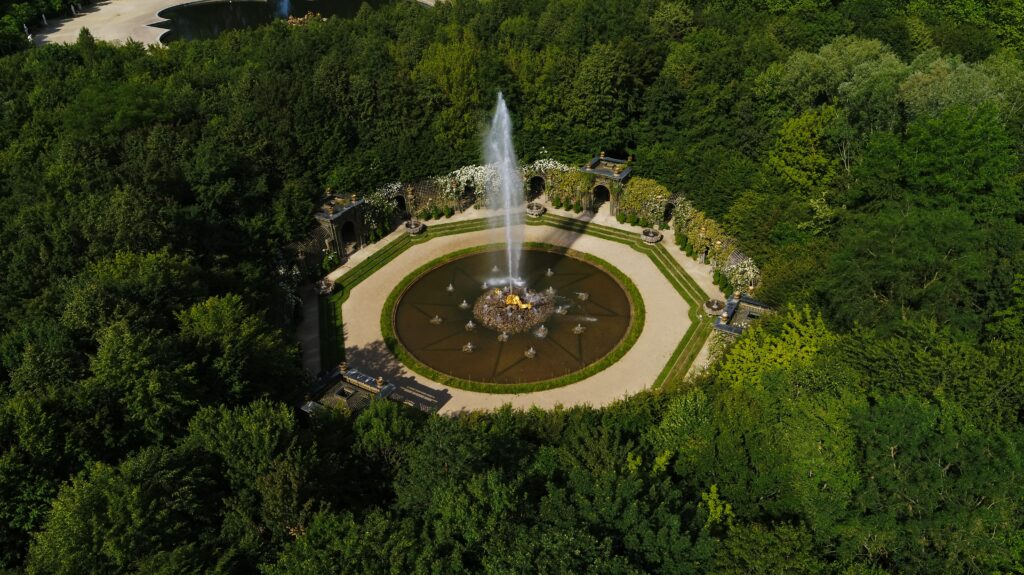
The Gardens of Versailles – Nature Shaped by Power
Covering more than 800 hectares, the Gardens of Versailles are just as important as the palace itself. In fact, they form one of the greatest landscape achievements in European history. Designed by André Le Nôtre, the gardens required extraordinary transformation. Hills were leveled, forests were relocated, and lakes were carefully engineered.
As a result, nature became an expression of royal authority.
A Landscape of Grandeur and Precision
Throughout the gardens, visitors discover:
- the Grand Canal, stretching over 1.6 kilometers
- more than 200 statues inspired by mythology
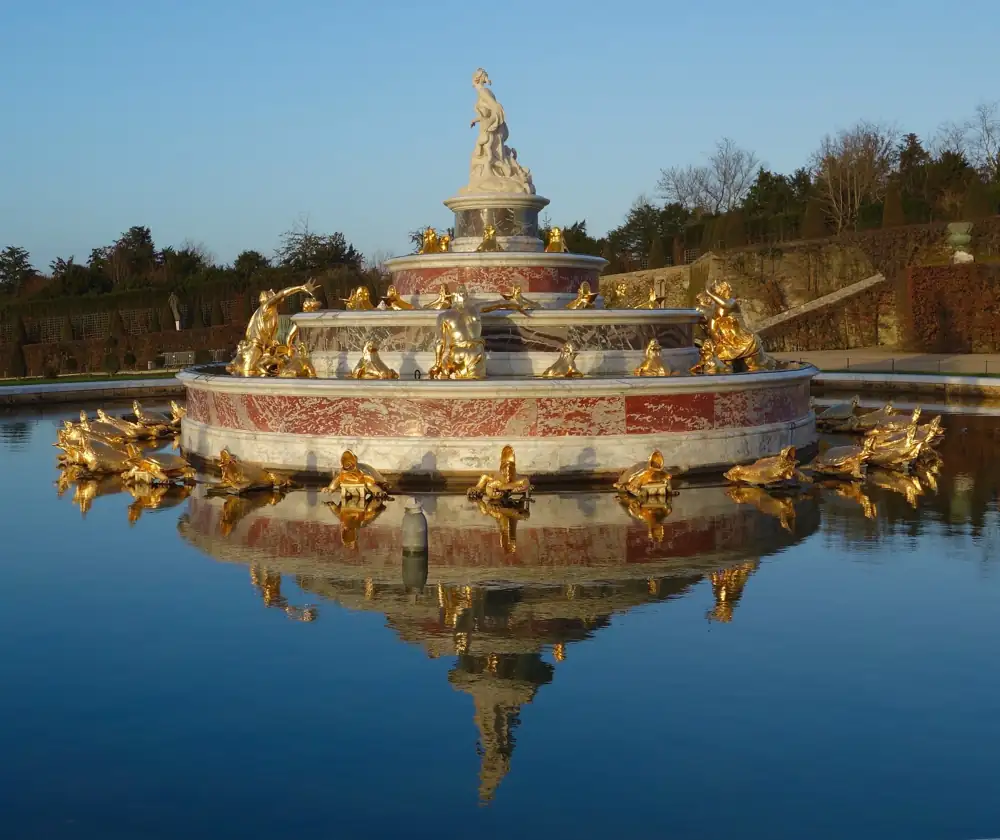
- 55 fountains, including Latona, Apollo, and Neptune
- secluded groves filled with sculptures and water features
Together, these elements create a perfectly ordered world. Therefore, every path, hedge, and basin reflects control, symmetry, and artistic vision.
Fountain Shows – Water as a Symbol of Royal Power
Louis XIV believed water symbolized dominance and prestige. During his reign, servants manually activated fountains as the king passed through the gardens. Although demanding, this ritual reinforced royal authority.
Today, musical fountain shows recreate this spectacle. As music fills the air, fountains come alive once again. Consequently, visitors experience the gardens as the court once did-dynamic, theatrical, and grand.
The Grand Trianon – A King’s Private Retreat
Despite the splendor of Versailles, Louis XIV sought moments of calm. Therefore, he commissioned the Grand Trianon in 1687.
Built with elegant pink marble columns, this retreat offered privacy and simplicity. Unlike the main palace, it reflected intimacy rather than formality. As a result, the Grand Trianon became a refuge where the king escaped rigid court protocol.
The Petit Trianon – Marie-Antoinette’s Sanctuary
Later, Louis XV built the Petit Trianon. However, it became forever associated with Marie-Antoinette.
Unlike life at court, the Petit Trianon allowed freedom and personal choice. Here, the queen entertained close friends and avoided strict etiquette. Consequently, this space reflected her desire for privacy and independence.
The Queen’s Hamlet – An Idealized Rural Dream
Marie-Antoinette valued simplicity, even within royal life. Therefore, she created the Queen’s Hamlet, an idealized village inspired by rural France.
The hamlet included:
- working farms
- a mill
- a dairy house
- charming cottages
Although critics misunderstood it, the hamlet offered the queen emotional escape. Sadly, it was completed just before the French Revolution changed everything.
Revolution and Abandonment – The Fall of Royal Versailles
By 1789, France faced severe crisis. As tensions rose, Versailles became a symbol of royal excess.
In October 1789:
- thousands of Parisian women marched to Versailles
- they demanded bread and political reform
- the royal family was forced to leave
Afterward, the palace stood nearly abandoned. Furnishings were sold, and neglect followed. Consequently, Versailles lost its role as a royal residence.
Versailles Reborn – A Museum for the Nation
In 1837, King Louis-Philippe gave Versailles a new purpose. He transformed it into a museum dedicated to the history of France.
Massive renovations followed. Historical galleries replaced royal apartments. As a result, Versailles became a place of collective memory rather than monarchy.
Versailles in Modern History
Versailles continued to shape world events:
- 1871: the French government took refuge there after military defeat
- 1919: the Treaty of Versailles ended World War I
- Today: the palace hosts international events and state visits
Because of its historical significance, Versailles earned UNESCO World Heritage status.
Why Guided Tours Bring Versailles to Life
Versailles is vast and layered with meaning. Therefore, guided tours transform the visit.
With a guide, visitors can:
- move efficiently through the palace
- understand architectural symbolism
- learn about Louis XIV, XV, and XVI
- uncover royal scandals and personal stories
- explore the Trianons and Queen’s Hamlet
- enjoy fountain shows and seasonal events
Ultimately, guides turn centuries of history into vivid, unforgettable experiences.
Final Thoughts – A Palace That Shaped Europe
Versailles is not simply a palace. Instead, it is a reflection of power, beauty, ambition, and transformation. From royal splendor to revolution, every corner tells a story.
For travelers seeking depth and meaning, a guided visit to Versailles remains one of the most extraordinary experiences in France.